The Good Life Lives and legends, troubles and tales

4 minutes

Luci Magazine Issue #8 - 2026

A tour of Luxembourgish women's lives and legends


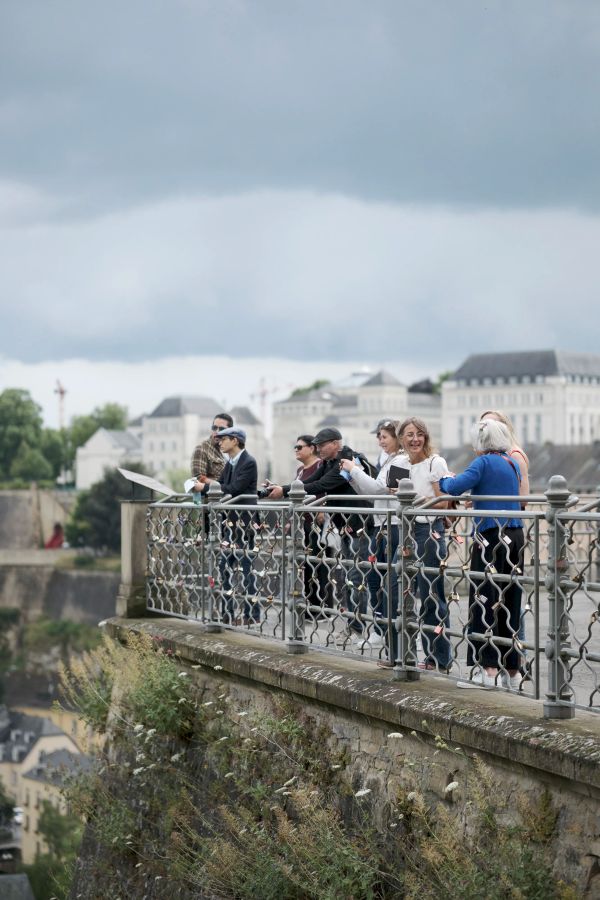
Representatives of two different generations of Luxembourgish women set out on the Luxembourg City Tourist Office Tour ‘Women: Lives and Legends.’ A tour that highlights women who ruled, women who cared, women who created, and women who won - all contributing to shaping today’s Luxembourg.
 

Women in politics

In 13th century Luxembourg, there lived a Countess called Ermesinde. Married when she was 12 and widowed twice by the age of 40, she governed Luxembourg for over two decades. This was known as the era of peace and prosperity.

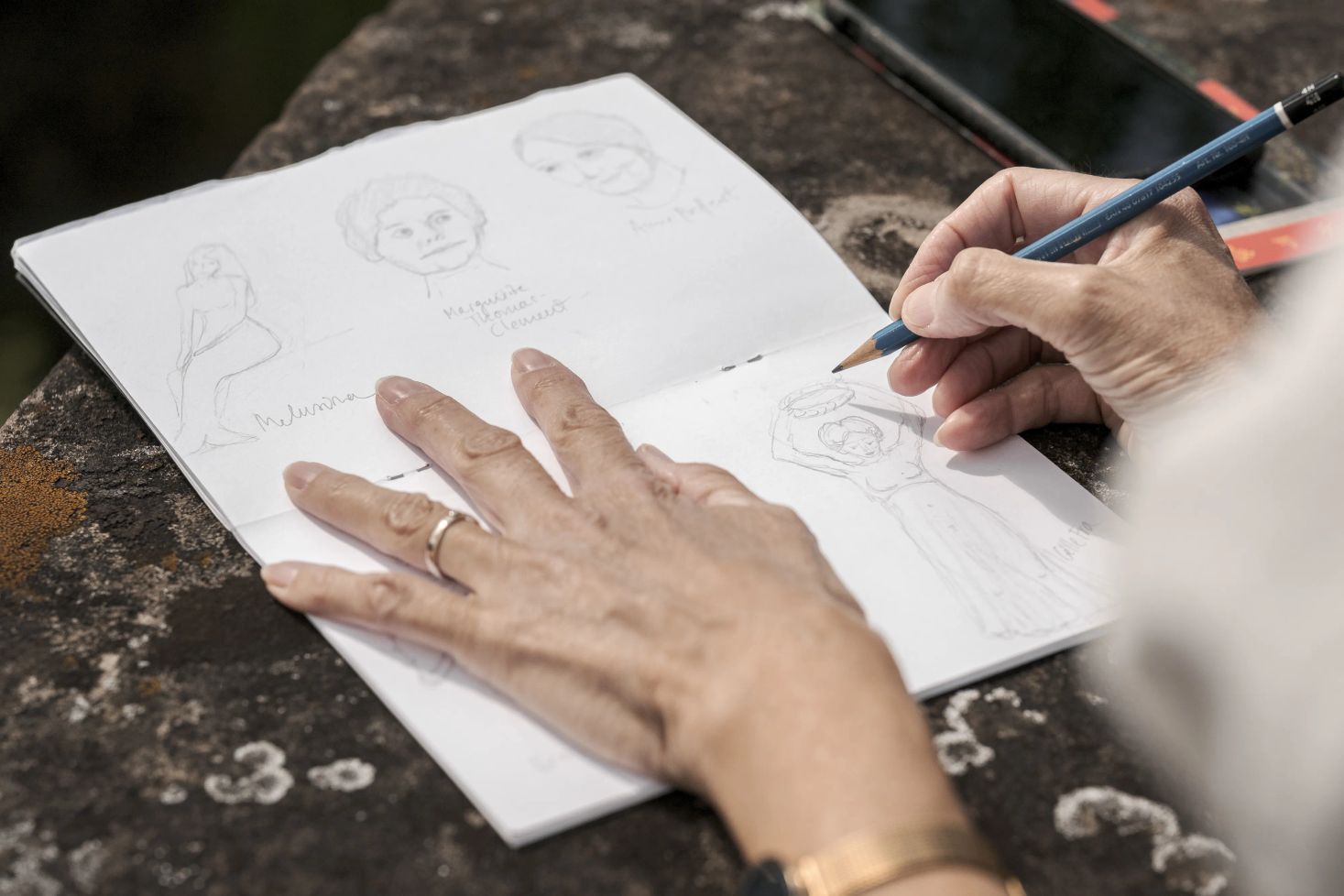
But Luxembourg’s female legends reach back even further into myth and memory. At the Bock, where Count Siegfried founded his castle in 963, legend tells of Melusina, his mysterious wife who vanished into the Alzette River after he broke his promise to grant her privacy every Saturday. She remains a powerful figure in Luxembourgish folklore and a symbol passed down through generations. Isabelle reflects: “As a child, I was convinced Melusina was unique to Luxembourg. I was slightly disappointed when I later discovered she appears in folklore across Europe…”

She is not the only female political figure celebrated on the tour, led by city guide, retired nurse and lifelong historical enthusiast Lou Spaus, together with globally published author and screenwriter Isabelle Marinov.

Fast forward some 800 years, and the tour takes us next to Place Guillaume II, where Luxembourg City’s mayor, Lydie Polfer, has her office. She became mayor at just 29 and continues to lead this vibrant, multicultural city into its prosperous future.

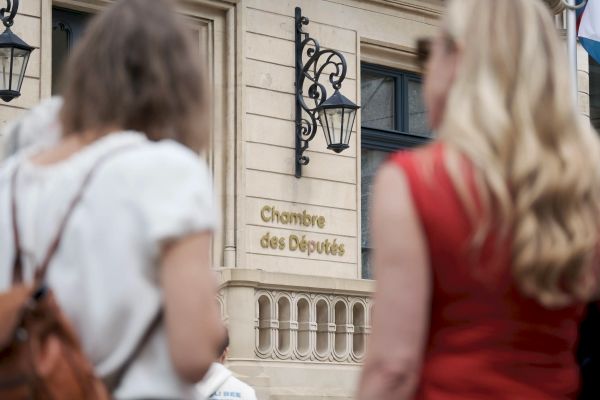
In front of the Chamber of Deputies, Isabelle takes a photo of her feet on the memorial tile for women’s suffrage in 1919. Luxembourg was one of the first countries in the world to grant women the right to vote.

The first woman elected to the Chamber of Deputies was teacher Marguerite Thomas Clement in 1919. That same year, Grand Duchess Charlotte acceded to the throne as the first constitutional monarch, boldly leading Luxembourg through the Second World War and into its modern democratic era.
Women in education

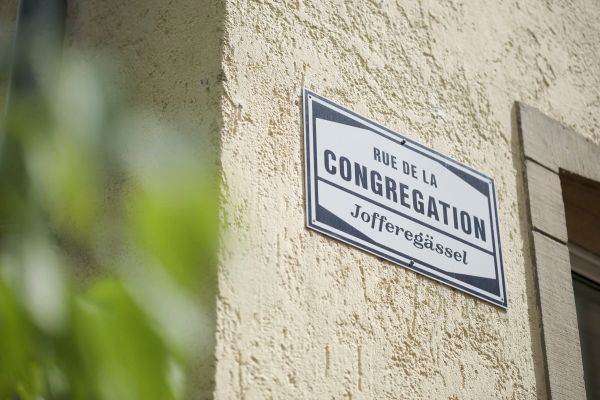
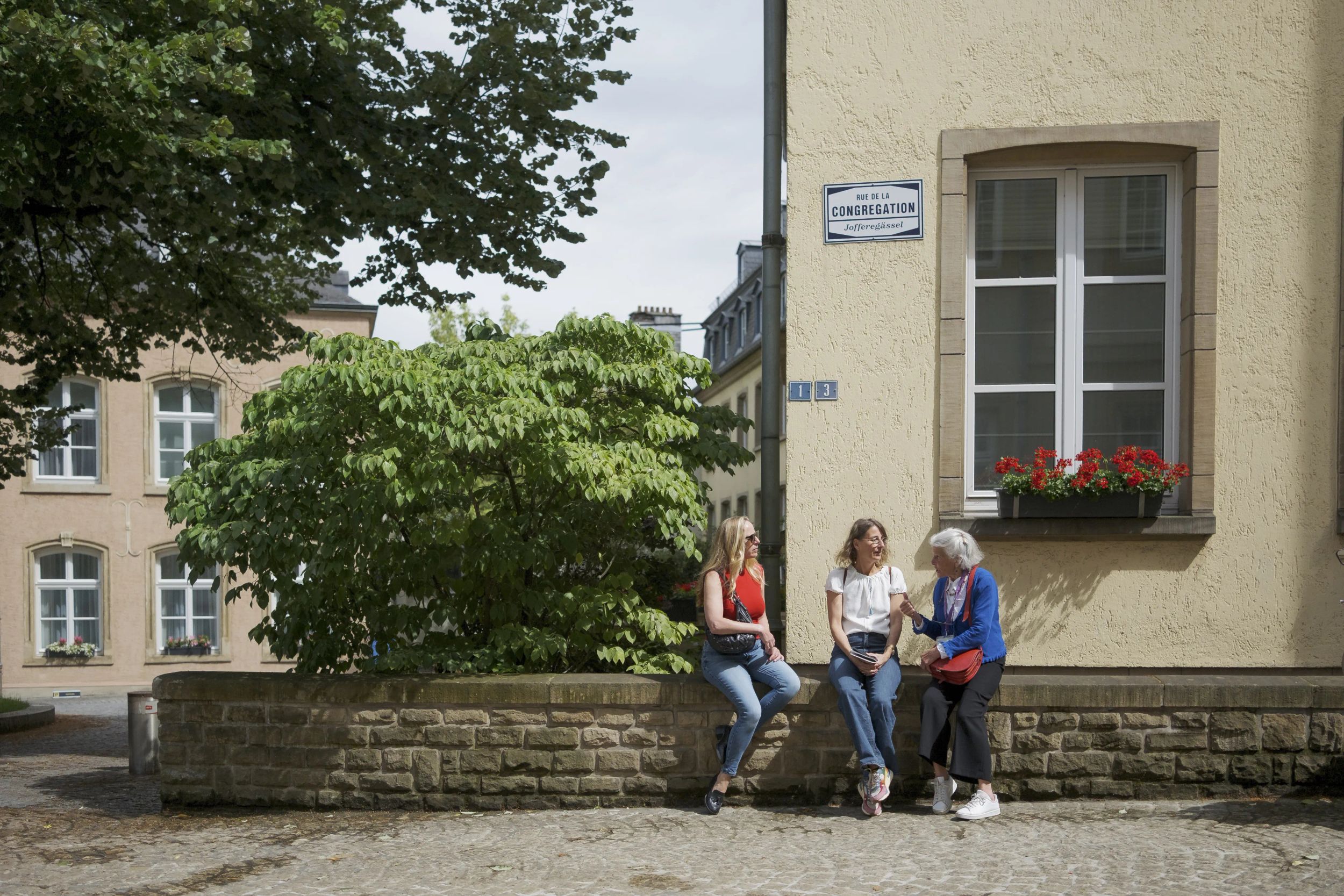
The tour continues with the remarkable women whose influences stretched far beyond the political sphere. In the Rue de la Congrégation, also named ‘Jofferegässel’ (Miss Teacher Street), Lou explains that nuns were the first to offer free schooling to girls as early as 1628. It wasn’t until 1909 that public grammar schools for girls opened, where only unmarried female teachers were allowed to instruct, hence the ‘Joffer’.

Anne Beffort was the first Luxembourgish woman to obtain a university degree in 1908 and, together with the passionate advocate for women’s rights, Aline Mayrisch, co-founded the first girls’ secondary school in 1911.

Women in sport

Another national heroine, Elsy Jacobs, the first world champion in women’s road race, is commemorated in the Municipal Park - but not in her lifetime. Even in 1958, the national cycling federation was reluctant to acknowledge women’s competitions, and in sheer frustration, she left Luxembourg, became a French citizen and continued her elite career abroad.  

Luci Magazine

Read more about these remarkable women in Issue 8 of our Luci magazine.

Read the full story

Immortalised in stone

The first statue of a Luxembourgish person ever to be raised was of Princess Amalia in 1876 in the Municipal Park Edouard André. It does not honour political or military achievements, but a profound humanity. Princess Amalia was deeply loved for her kindness and charity work, and when she died prematurely at the age of 42, the whole country mourned her death. Nevertheless, as Lou points out, the epigraph on the monument reads, ‘Princess Henry of the Netherlands.’

Changing perceptions

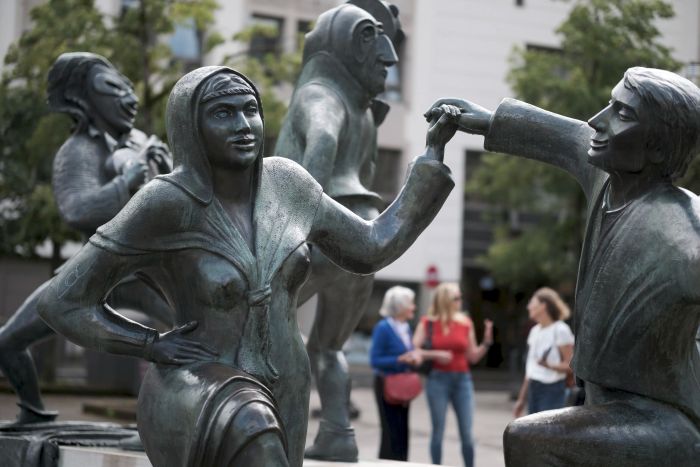
Just as statues can be used to honour influential women, (or rather, their husbands), they can also play a role in challenging historic perceptions of women’s roles in society, as Sanja Iveković shows with her monument, the pregnant ‘Lady Rosa of Luxembourg.’

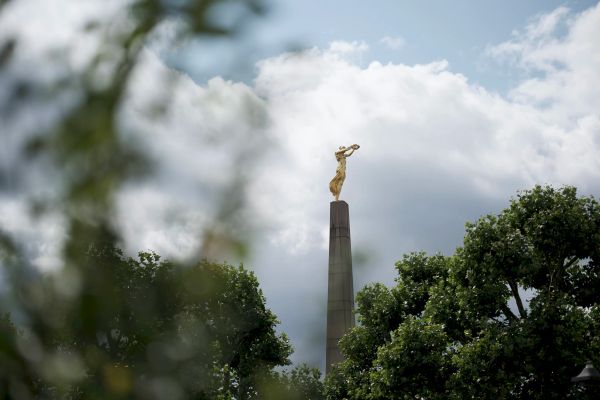
In 1923 the Gëlle Fra (Golden Lady) was erected on the rock over the Pétrusse Valley as a war memorial. Croatian-born Iveković’s counter monument was raised in 2001 to boldly defy the reduction of women to symbols in wartime. Her artwork serves as a strong reminder that women should be celebrated for their active roles on and behind the frontlines.

Luxembourgish women today

Both Isabelle and Lou describe Luxembourgish women as strong and independent. Lou, a member of the older generation, adds ‘hardworking’, reflecting on the country’s agricultural and mining heritage. Isabelle, a generation later, finds that the passing of decades has bestowed a global outlook on Luxembourgish women today; “they speak several languages, are quite flexible and open, yet remain anchored in tradition.”

And what kind of a tradition is that? With the tour drawing to a close, it’s safe to conclude that while history has not always given women centre stage, Luxembourg today is choosing to celebrate the many ways they have shaped the nation, ensuring that its shared traditions reflect not only the stories of men, but of the women who ruled, cared, created and won.

Get your Luci magazine at home


  • Inspiring Travel Stories from Luxembourg
  • Stories about places, people, experiences and ideas from Luxembourg
  • Order or  subscribe  to the magazine for free