Idio Chichava
Idio Chichava
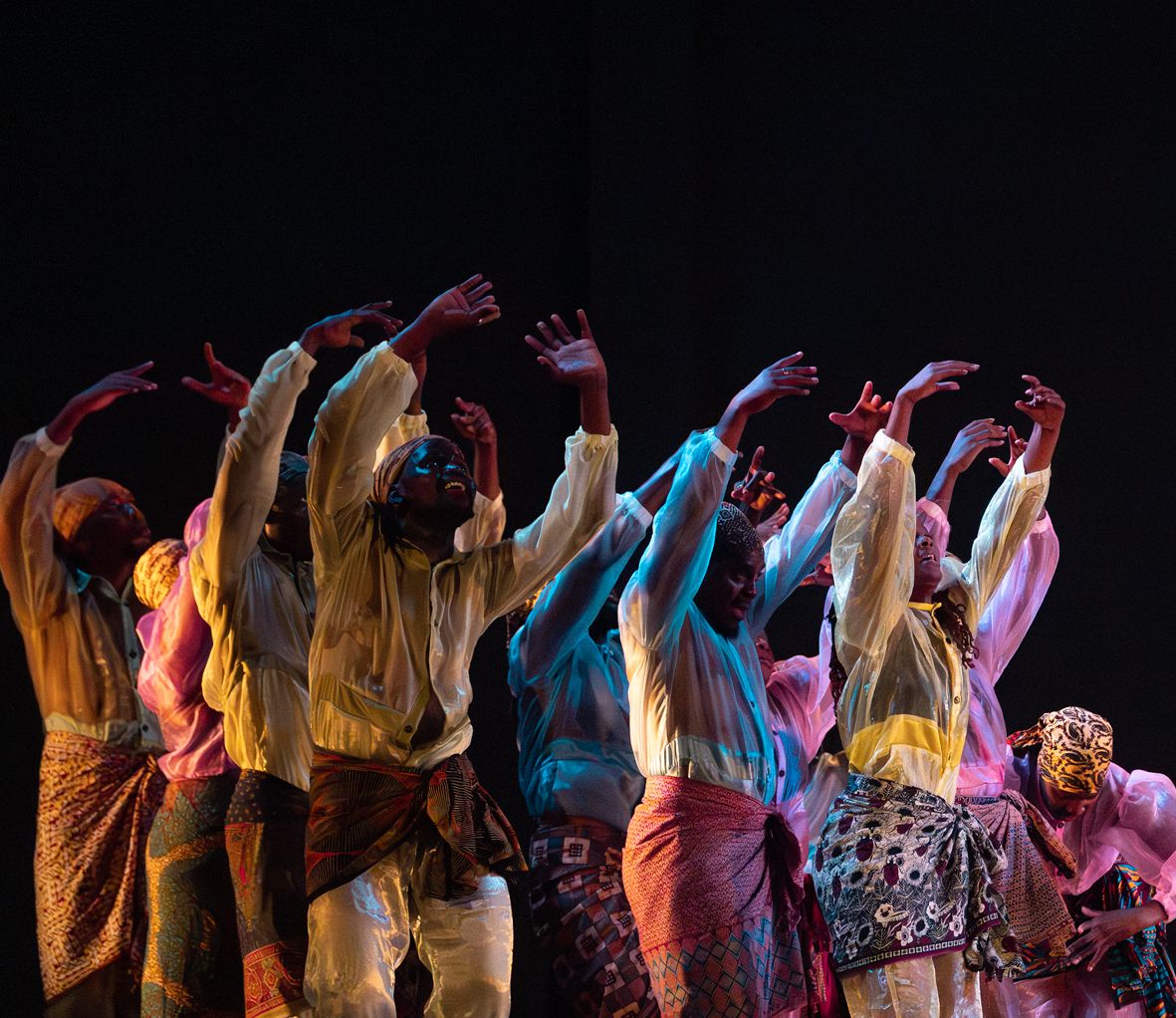
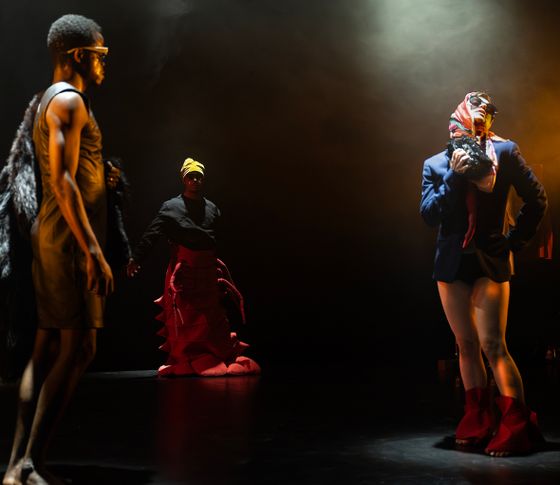
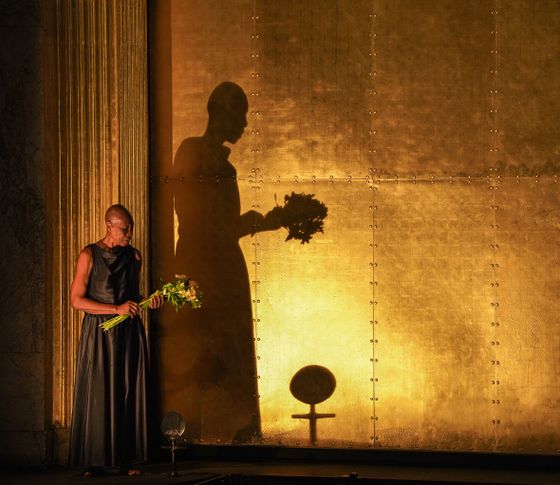
EN Taking its pulse from Xiquelene, the dense, defiant market on the periphery of Maputo, Dzudza – meaning “to rise” – is the latest piece by Mozambican choreographer Idio Chichava, who won the prestigious 2024 Salavisa European Dance Award and previously presented Vagabundus at TalentLAB 2024. Rooted in apostolic church music and popular Mozambican culture, and threaded through with the capulana cloth as both prop and symbol of identity and affection, the work affirms the body as a territory of resistance and communion. It becomes a celebration of life amidst the noise, a counter-gesture to a world increasingly fragmented by borders and displacement.
FR Après Vagabundus (TalentLAB 24), Idio Chichava, danseur, chorégraphe et directeur artistique mozambicain, revient au Grand Théâtre avec Dzudza, une pièce qui fait entendre le souffle pluriel de la capitale Maputo et oppose au monde fracturé un geste simple : se relever. Élever la voix, le mouvement, le corps mondial, l’écoute. Dzudza devient acte de gratitude, célébration de la vie au milieu du tumulte. Le corps s’affirme comme un territoire de résistance et de communion. La pièce est nourrie de chants religieux, de jeux et de chansons populaires, et utilise la capulana – un type de tissu imprimé africain – pour envelopper et relier les corps des treize interprètes, abolissant les frontières entre masculin et féminin, sacré et quotidien. Dzudza, c’est une ode à Maputo, du pouls du centre à sa périphérie vibrante.
DE Idio Chichava ist ein international bekannter Tänzer und Choreograf aus Mosambik. Seine Kreationen verbinden traditionelle afrikanische Tänze mit zeitgenössischer Ästhetik, rhythmischen Elementen und kraftvollen Gruppenbewegungen. An den Théâtres de la Ville war er im Rahmen des TalentLAB 2024 mit seiner Produktion Vagabundus zu sehen. In seinem neuesten Werk Dzudza stellt Chichava das pulsierende Leben von Maputo, der Hauptstadt Mosambiks, zwischen Peripherie und den Märkten des Zentrums in den Mittelpunkt. In einer Zeit, die durch Grenzen, Gewalt und Vertreibung geprägt ist, richten sich die TänzerInnen auf, erheben ihre Stimme, singen und feiern ihre Dankbarkeit und Freude am Dasein inmitten des Lärms.