
Museum Bataille et Châteaux - Battle of the Bulge and castle models
Where? Château de Clervaux, L-9712 Clervaux
free
with theLuxembourgPass
Treat yourself to a journey into the past and into other dimensions! This unique exhibition is suitable for young and old alike. Here you can discover history in a new way.
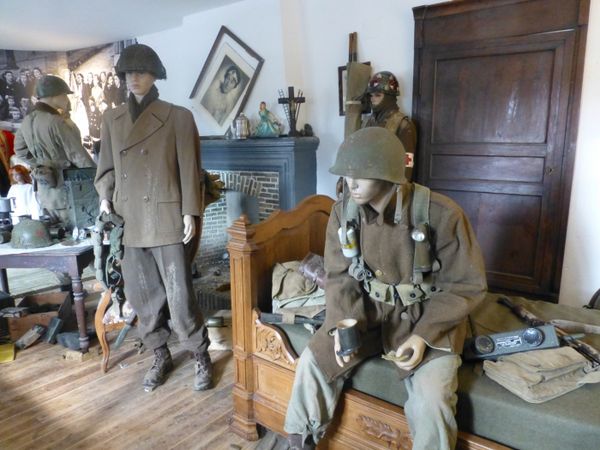
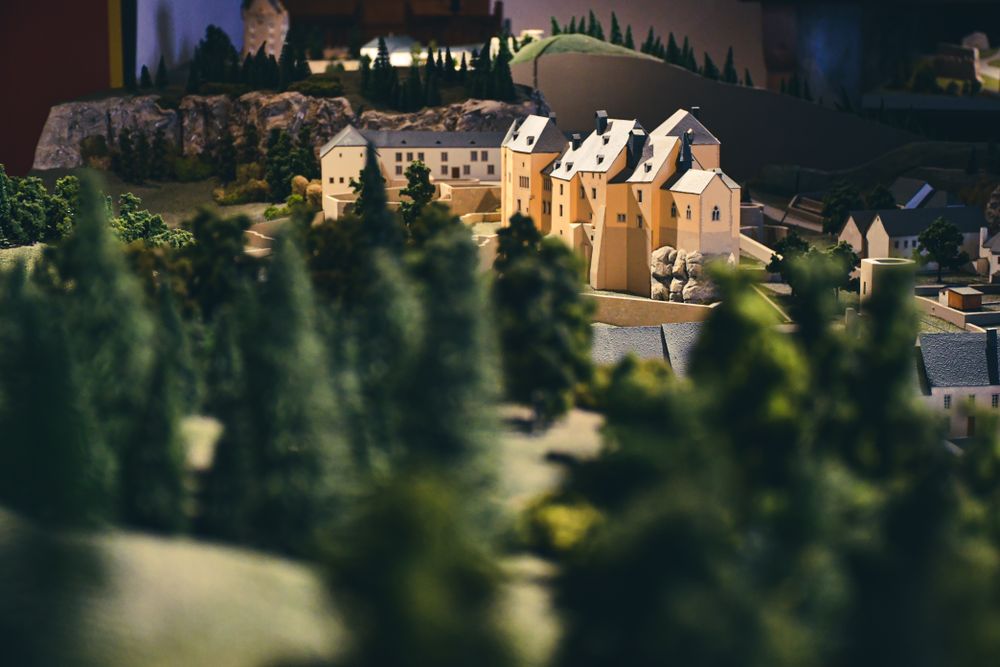
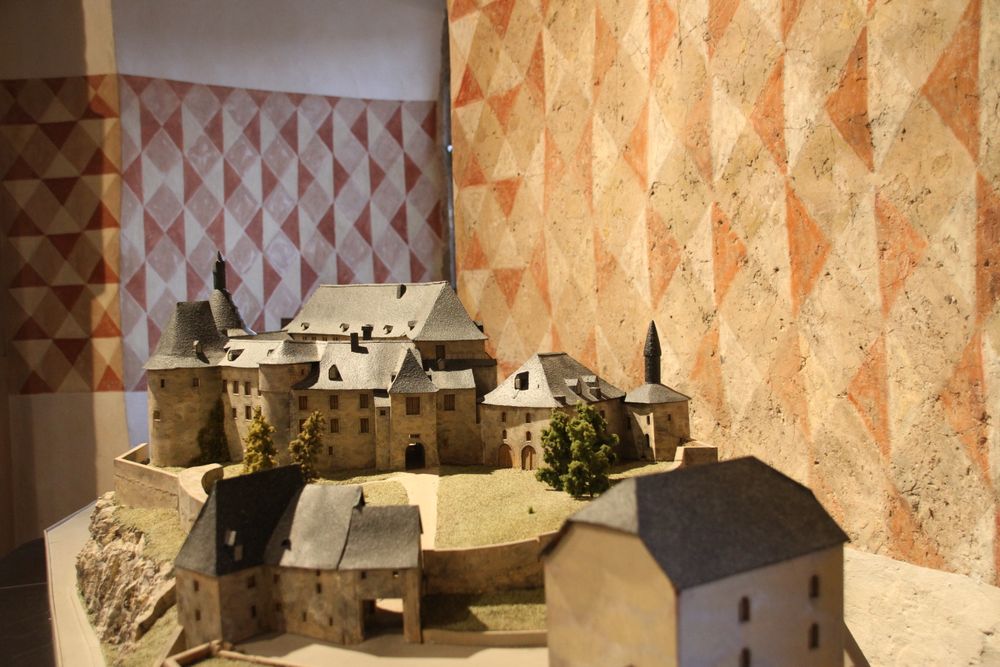
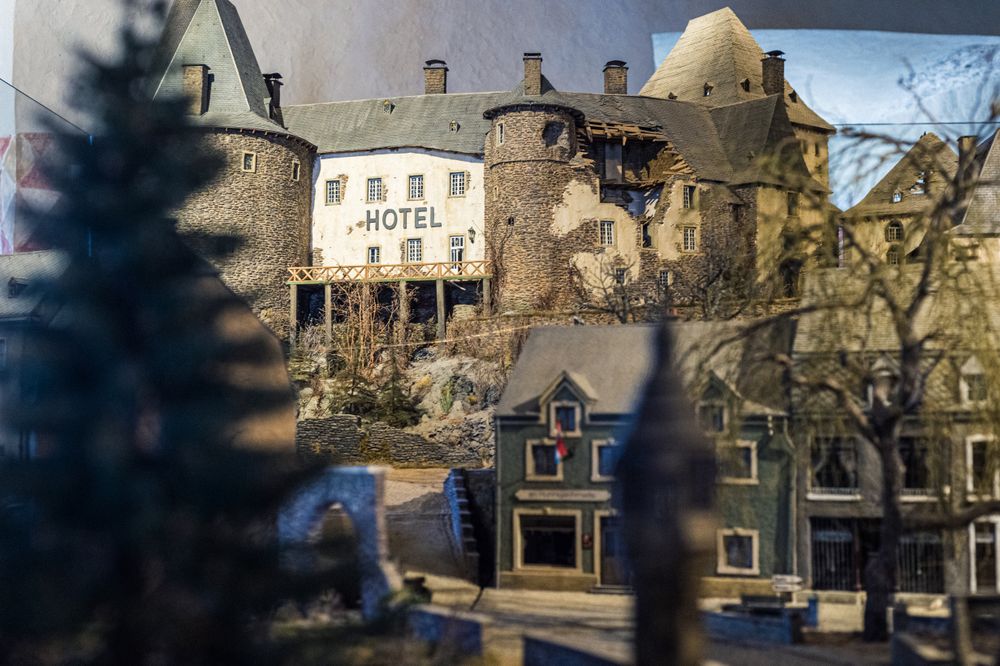
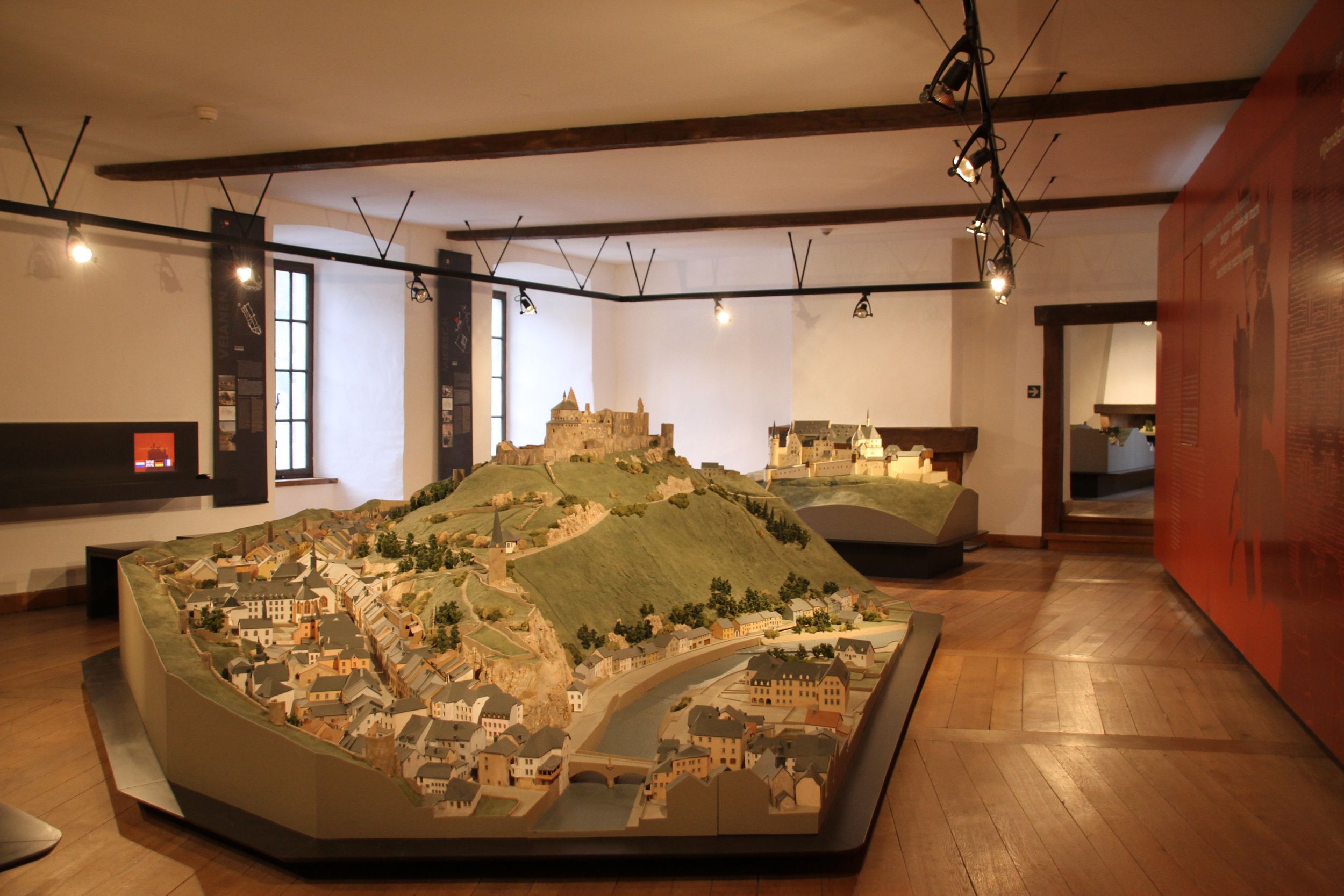
The Musée Bataille et Châteaux - Battle of the Bulge and castle models comprises both the exhibition illustrating a historical moment of the Second World War, the Battle of the Bulge, and the exhibition of models of Luxembourg's castles built on a scale of 1:100 in the converted rooms of Clerf Castle.
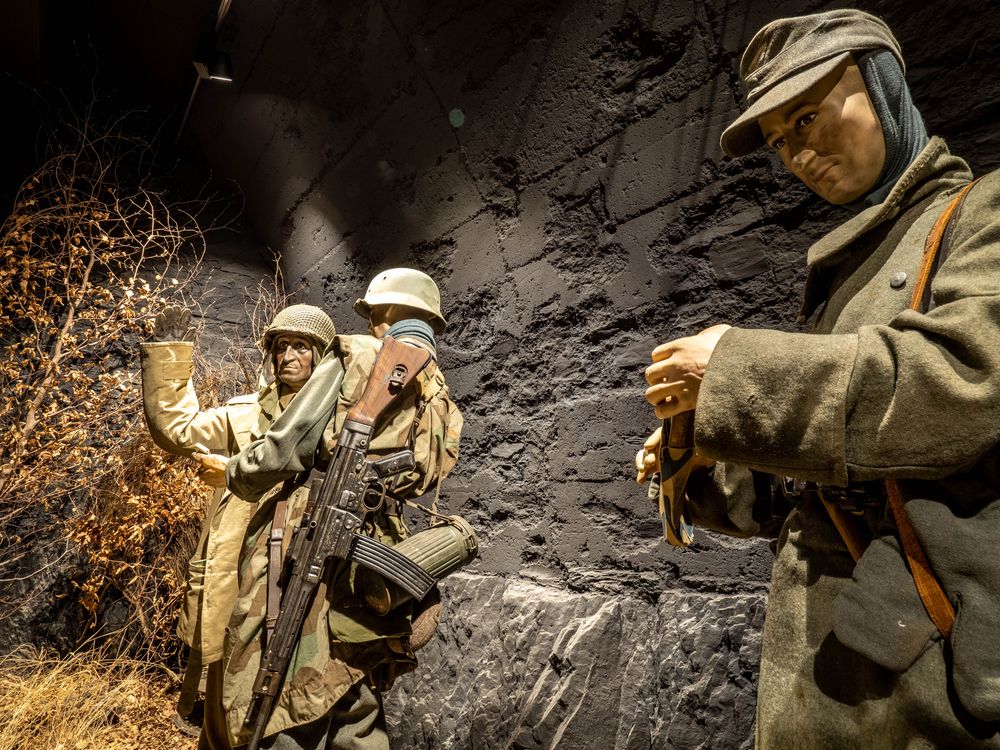
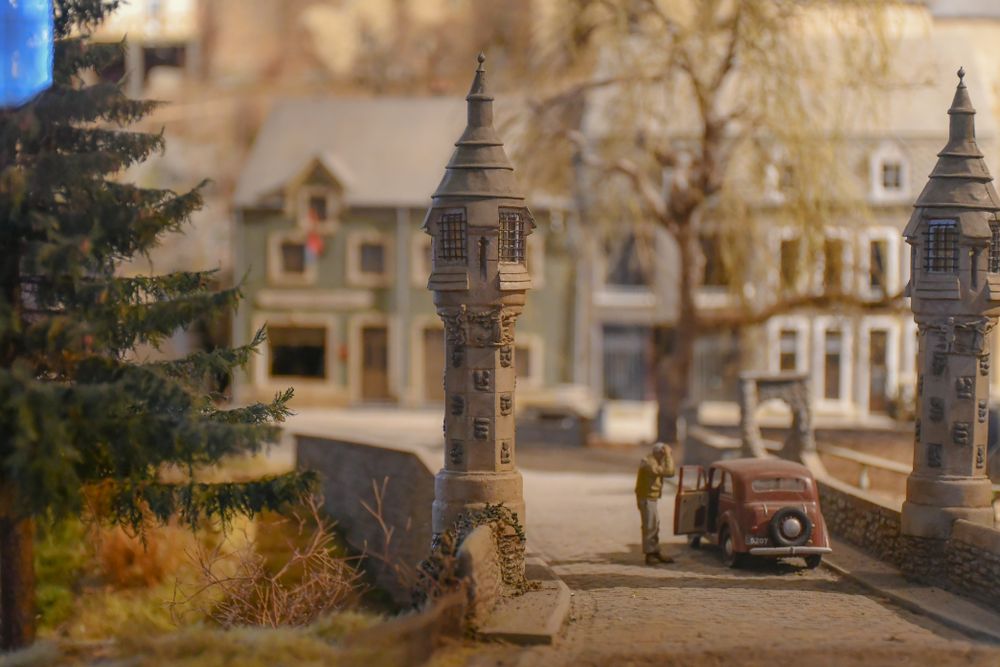
Using documents, uniforms, authentic weapons and reconstructed scenes, the exhibition illustrates the historical moment of the Second World War, the Battle of the Bulge. The Clervaux diorama by Claude JOACHIM, which depicts a scene from this battle around the castle of Clerf in a detailed model, forms the centrepiece between the war elements and the exceptional exhibition of 22 castles and fortresses in Luxembourg, which have been designed and depicted with precision craftsmanship.
Practical information
- Nearby public transport
- Indoor
Culture info
- History
- Visit possible (& visit information)
LuxembourgPass
- Free entry to the museum „Bataille et Châteaux“ with the LuxembourgPass
Opening hours
Opening hours are subject to change. Please check them before your visit in order to be sure.
| Wednesday | Closed |
| Thursday | 29.10.2026 : 10:00 - 17:00 |
| Friday | 30.10.2026 : 10:00 - 17:00 |
| Saturday | 31.10.2026 : 10:00 - 17:00 |
| Sunday | 01.11.2026 : 10:00 - 17:00 |
| Monday | 02.11.2026 : 10:00 - 17:00 |
| Tuesday | 03.11.2026 : 10:00 - 17:00 |
Museum Bataille et Châteaux - Battle of the Bulge and castle models
free
with theLuxembourgPass
Prices
Holders of a Hostelling International card
| Standard price | 3.00€ |
Students (with a valid student ID)
|
Age from: 21 | |
| Standard price | 3.00€ |
Groups (per person)
|
Number of people (min.): 10 | |
| Standard price | 3.00€ |
Adults
| Standard price | 5.00€ |
Children
| Standard price | 0.00€ |
Free admission
|
All prices are subject to change.

Your advantages
- exclusive discounts of up to -30%
- free or discounted admission to more than 80 attractions