
©ORT SUD

Léiffrächen

Where? Rue de la Forêt, L-3620 Kayl

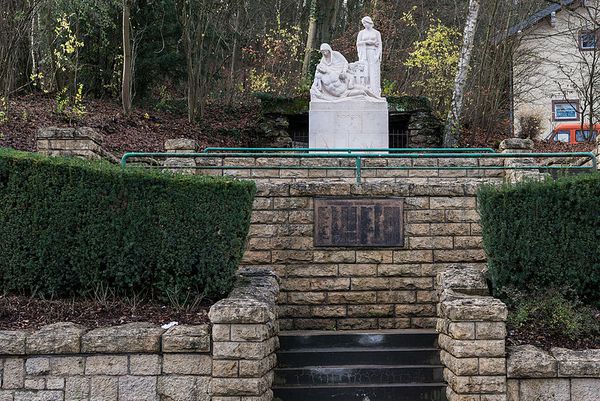
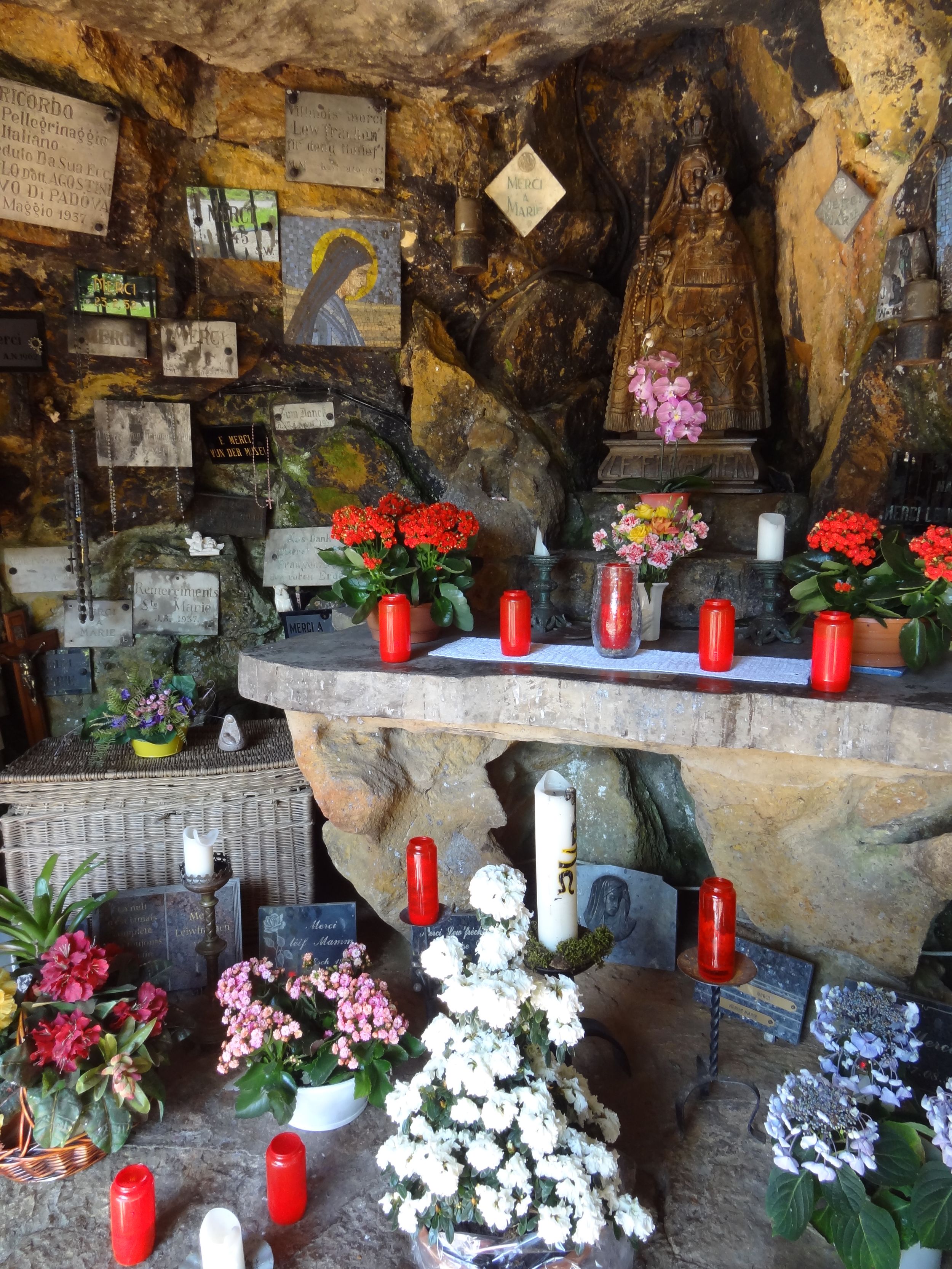
The "Léiffrächen" in Kayl is a national place of pilgrimage and memorial

A small chapel in a grotto in which the "Léiffrächen", a statue of Mary which is seen as the second patron saint of miners, is honored; Over time, the place of faith has become an important place of pilgrimage and is inextricably linked with the Luxembourg mining industry and the local mining families.


Practical information

  • Accessible to all

Culture info

  • History

Opening hours

Contact

Address: Visit Minett
Rue de la Forêt
L-3620 Kayl
Show on map

More sites

©Pulsa Pictures
Minett Park Fond-de-Gras
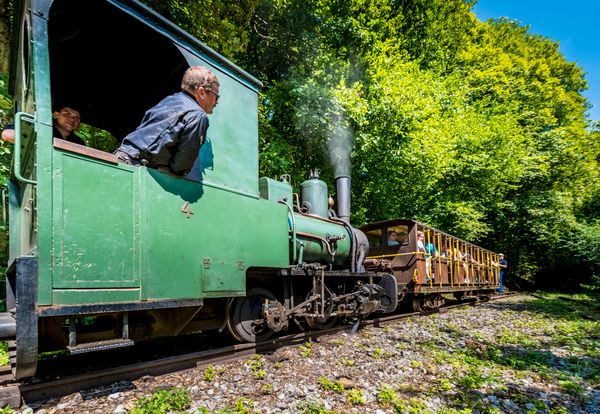
The Minett Park Fond-de-Gras is an open-air museum that includes the Fond-de-Gras, the village of Lasauvage, the former open-cast mine of Giele Botter and the Celtic oppidum of Titelberg.
Find out more
©Ville d'Esch
Architecture Trail in Esch-sur-Alzette
The Architectural Walk allows you to discover the variety of architecture in Esch, including the city’s Art Nouveau and Art Deco heritage.
Find out more
©Pulsa Pictures_ORT SUD
Mémorial "Porte d'Italie"
A historic bond that should never be forgotten
Find out more
©Ville d'Esch
free
with theLuxembourgPass
National Museum of Resistance and Human Rights
Find out more
©Pancake! Photographie
Five Cooling Towers
The “old cooling towers” in Differdange are five cooling towers from the former Arcelor steelworks.
Find out more
©Pulsa Pictures_ORT SUD
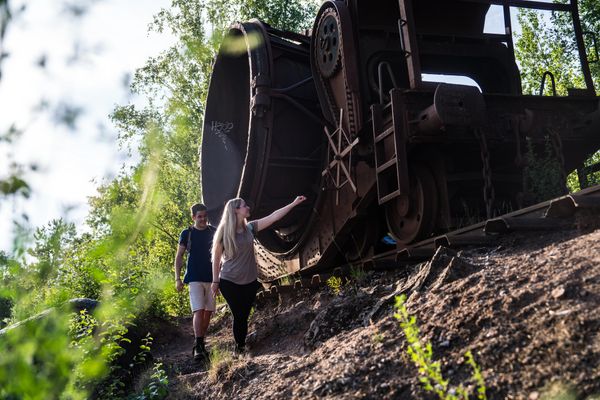
Schlakewon Humpen
In the middle of the nature reserve, this old cinder tipping car really stands out. A popular photo spot and a stunning viewing platform.
Find out more
©Jwh (CC BY-SA 3.0 lu)
Memorials points in Pétange
Remembering the past
Find out more
©Musée Ferrum
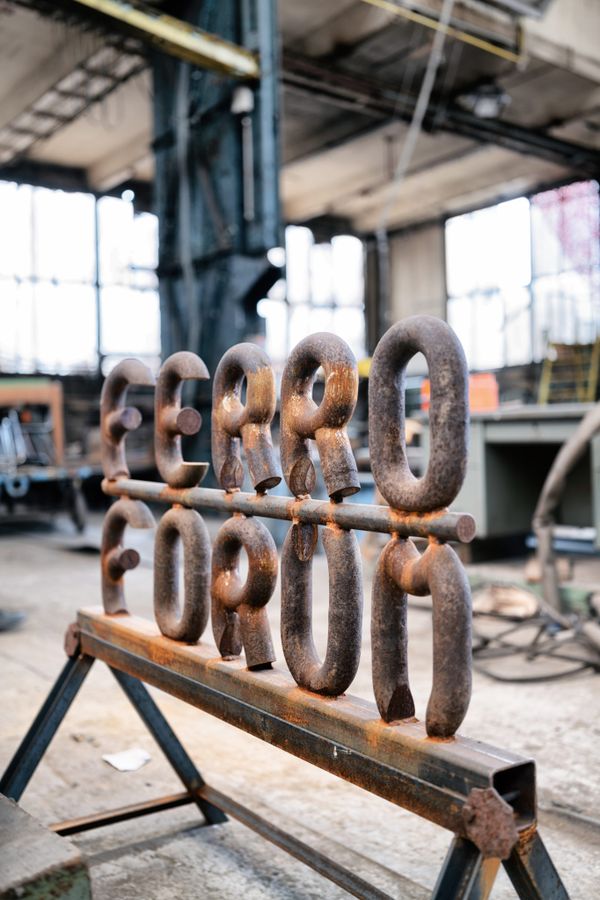
Musée FERRUM + MUAR - Musée vun der Aarbecht
Putting Work and local history center stage
Find out more
©Jean Reitz
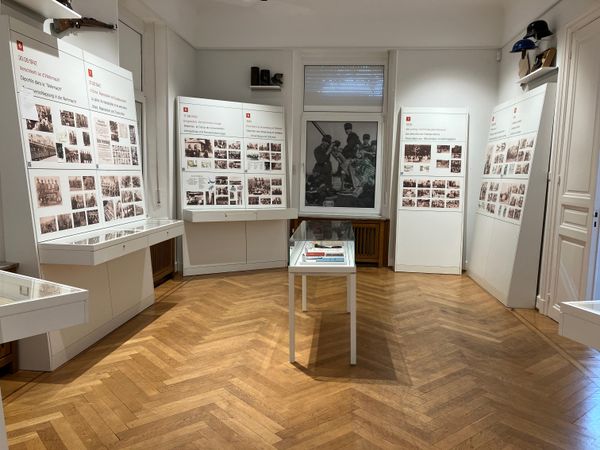
Regional Museum of forced conscription
This regional museum focuses on the complex history of forced recruitment during the Nazi occupation of Luxembourg and provides a poignant insight into the suffering of the Dudelange population during the war.
Find out more