Bringing mining heritage back to life
In the framework of the exhibition „Ruin Echoes“
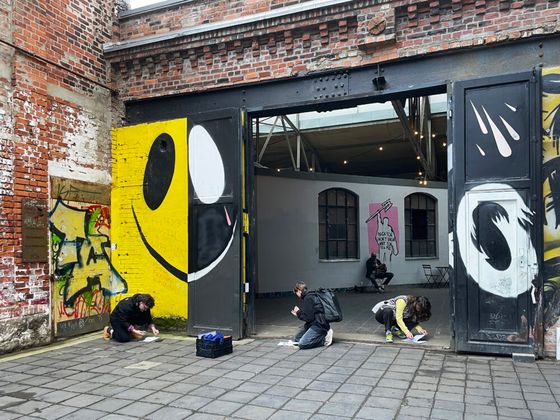
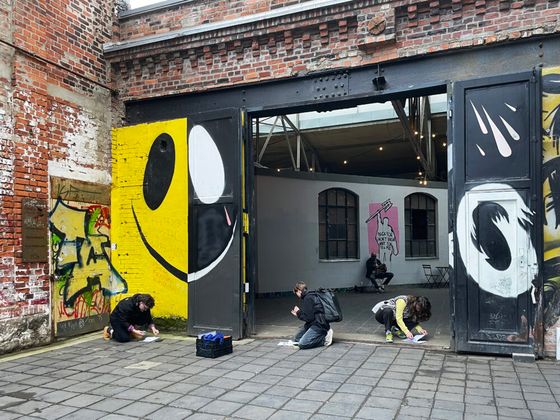
This workshop invites participants to take a fresh look at the remains of the Minett’s mining heritage and to explore their potential as spaces for creativity and imagination.
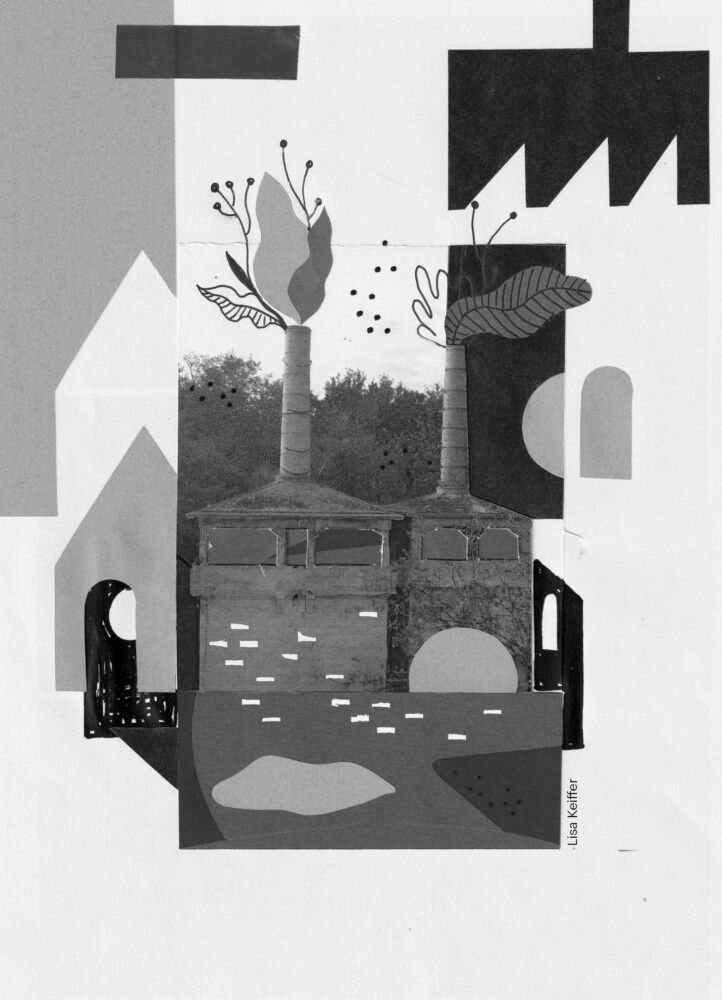
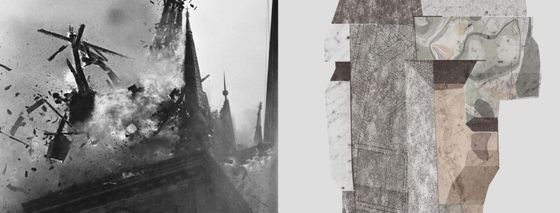
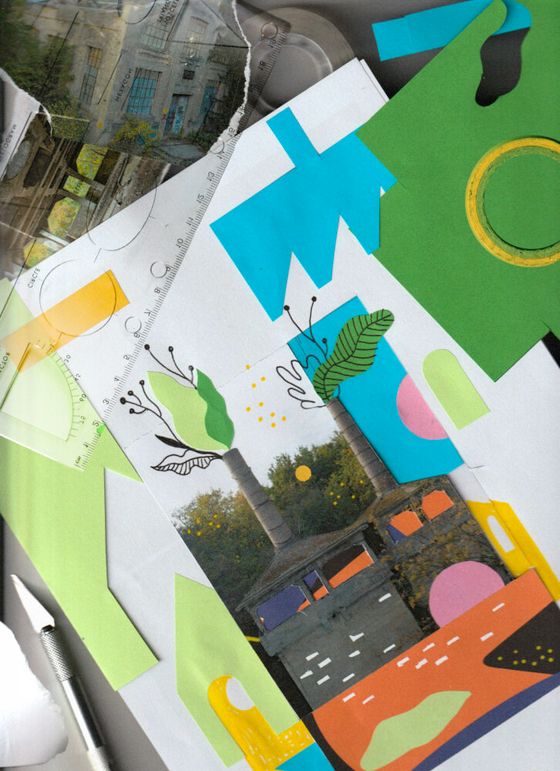
Through analogue and intuitive interventions – collage, drawing, illustration, layering and typography – participants are invited to work directly on representations of these places. Photographs, architectural fragments and landscapes become spaces for experimentation, like open pages of a sketchbook, leaving room for imagination, interpretation and poetry.
Ruins are no longer seen simply as traces of an industrial past, but as starting points for imagining new stories.
The workshop aims to highlight the beauty and potential of mining ruins by proposing a sensitive way of looking at and re-engaging with these places.
It is a form of reappropriation through images: an act of appreciation and enhancement of often-overlooked places, giving them renewed presence, value and a place within our contemporary imagination.
We recommend wearing suitable work clothes that can get dirty. Aprons will be provided on site.
Participation on both days is mandatory.
Mediator: Lisa Keiffer
.
Languages: FR, LU, DE, EN
Age: for adults and teens aged 17 and over
16€, 1,50€ with Kulturpass, free upon presentation of the Carte Jeunes Esch |
.
According to availability | Booking required.
More information on www.konschthal.lu
í µí°¼í µí±›í µí±“í µí±œí µí±Ÿí µí±ší µí±Ží µí±¡í µí±–í µí±œí µí±› í µí±“í µí±œí µí±Ÿ í µí±¡í µí±’í µí±Ží µí±�â„Ží µí±’í µí±Ÿí µí±
í µí±ƒí µí±™í µí±’í µí±Ží µí± í µí±’ í µí±›í µí±œí µí±¡í µí±’ í µí±¡â„Ží µí±Ží µí±¡ í µí±¡â„Ží µí±–í µí± í µí±¤í µí±œí µí±Ÿí µí±˜í µí± â„Ží µí±œí µí±� í µí±–í µí± í µí±›í µí±œí µí±¡ í µí±Ÿí µí±’í µí±�í µí±œí µí±”í µí±›í µí±–í µí± í µí±’í µí±‘ í µí±Ží µí± í µí±Ží µí±› í µí°¼í µí°¹í µí°¸í µí±� í µí±¡í µí±Ÿí µí±Ží µí±–í µí±›í µí±–í µí±›í µí±” í µí±�í µí±œí µí±¢í µí±Ÿí µí± í µí±’ í µí±Ží µí±›í µí±‘ í µí±¡â„Ží µí±’í µí±Ÿí µí±’í µí±“í µí±œí µí±Ÿí µí±’ í µí±‘í µí±œí µí±’í µí± í µí±›í µí±œí µí±¡ í µí±’í µí±›í µí±¡í µí±–í µí±¡í µí±™í µí±’ í µí±�í µí±Ží µí±Ÿí µí±¡í µí±–í µí±�í µí±–í µí±�í µí±Ží µí±›í µí±¡í µí± í µí±¡í µí±œ í µí±Ží µí±› í µí°¼í µí°¹í µí°¸í µí±� í µí±¡í µí±Ÿí µí±Ží µí±–í µí±›í µí±–í µí±›í µí±” í µí±�í µí±’í µí±Ÿí µí±¡í µí±–í µí±“í µí±–í µí±�í µí±Ží µí±¡í µí±’.
í µí°»í µí±œí µí±¤í µí±’í µí±£í µí±’í µí±Ÿ, í µí±Ž í µí±�í µí±’í µí±Ÿí µí±¡í µí±–í µí±“í µí±–í µí±�í µí±Ží µí±¡í µí±’ í µí±œí µí±“ í µí±�í µí±Ží µí±Ÿí µí±¡í µí±–í µí±�í µí±–í µí±�í µí±Ží µí±¡í µí±–í µí±œí µí±› í µí±�í µí±Ží µí±› í µí±�í µí±’ í µí±–í µí± í µí± í µí±¢í µí±’í µí±‘ í µí±¢í µí±�í µí±œí µí±› í µí±Ÿí µí±’í µí±ží µí±¢í µí±’í µí± í µí±¡ í µí±Ží µí± í µí±�í µí±Ÿí µí±œí µí±œí µí±“ í µí±œí µí±“ í µí±Ží µí±¡í µí±¡í µí±’í µí±›í µí±‘í µí±Ží µí±›í µí±�í µí±’ í µí±“í µí±œí µí±Ÿ í µí±¦í µí±œí µí±¢í µí±Ÿ í µí± í µí±�â„Ží µí±œí µí±œí µí±™ í µí±Ží µí±‘í µí±ší µí±–í µí±›í µí±–í µí± í µí±¡í µí±Ÿí µí±Ží µí±¡í µí±–í µí±œí µí±›.