
©Visit Éislek

Museum of the Battle of the Bulge Wiltz

Where? 35, Rue du Château, L-9516 Wiltz

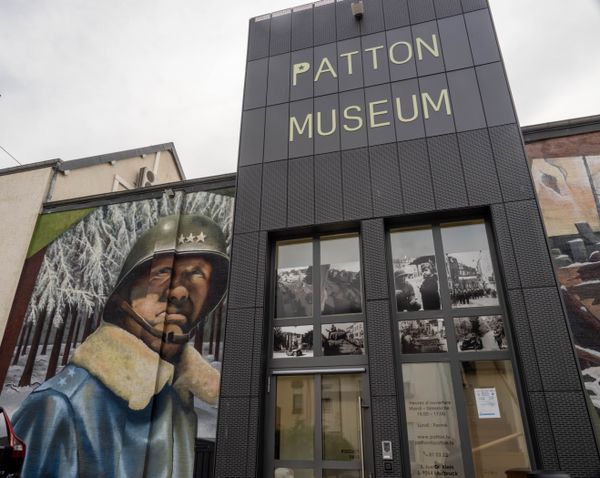
Discover the moving history of the "martyr town" during the Battle of the Bulge in the interactive museum in Wiltz. Experience history up close in the beautiful Wiltz Castle.

The museum in Wiltz castle tells the story of the dark period of the Battle of the Bulge in the winter of 1944/45.

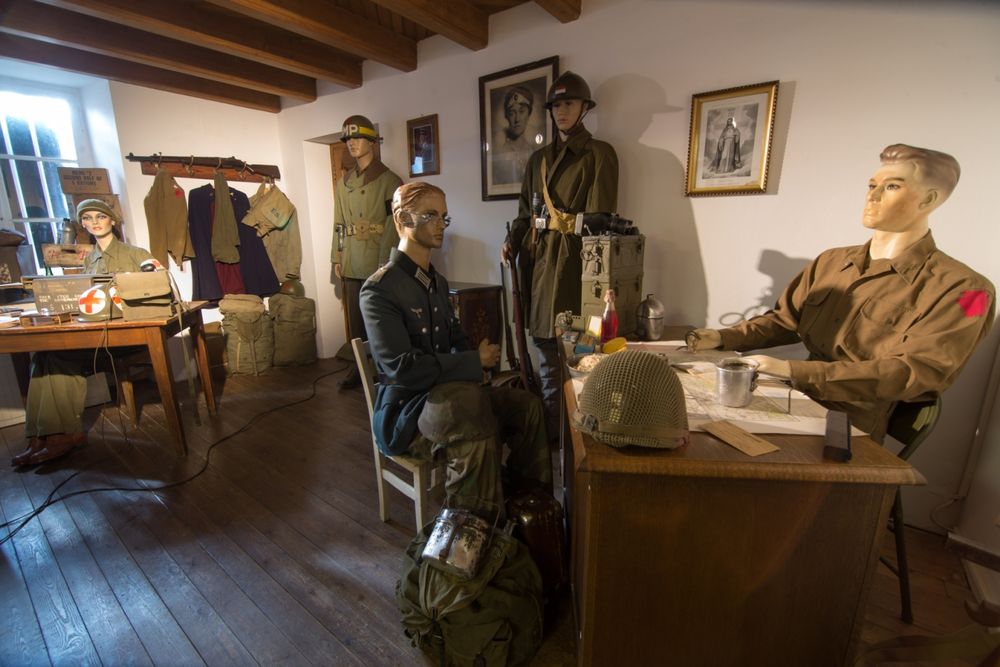
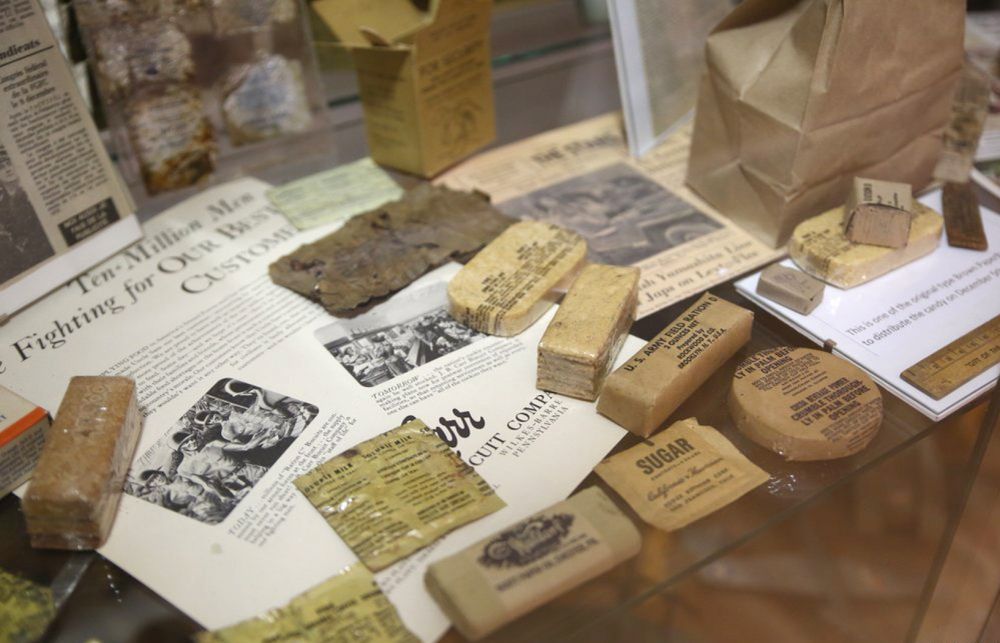
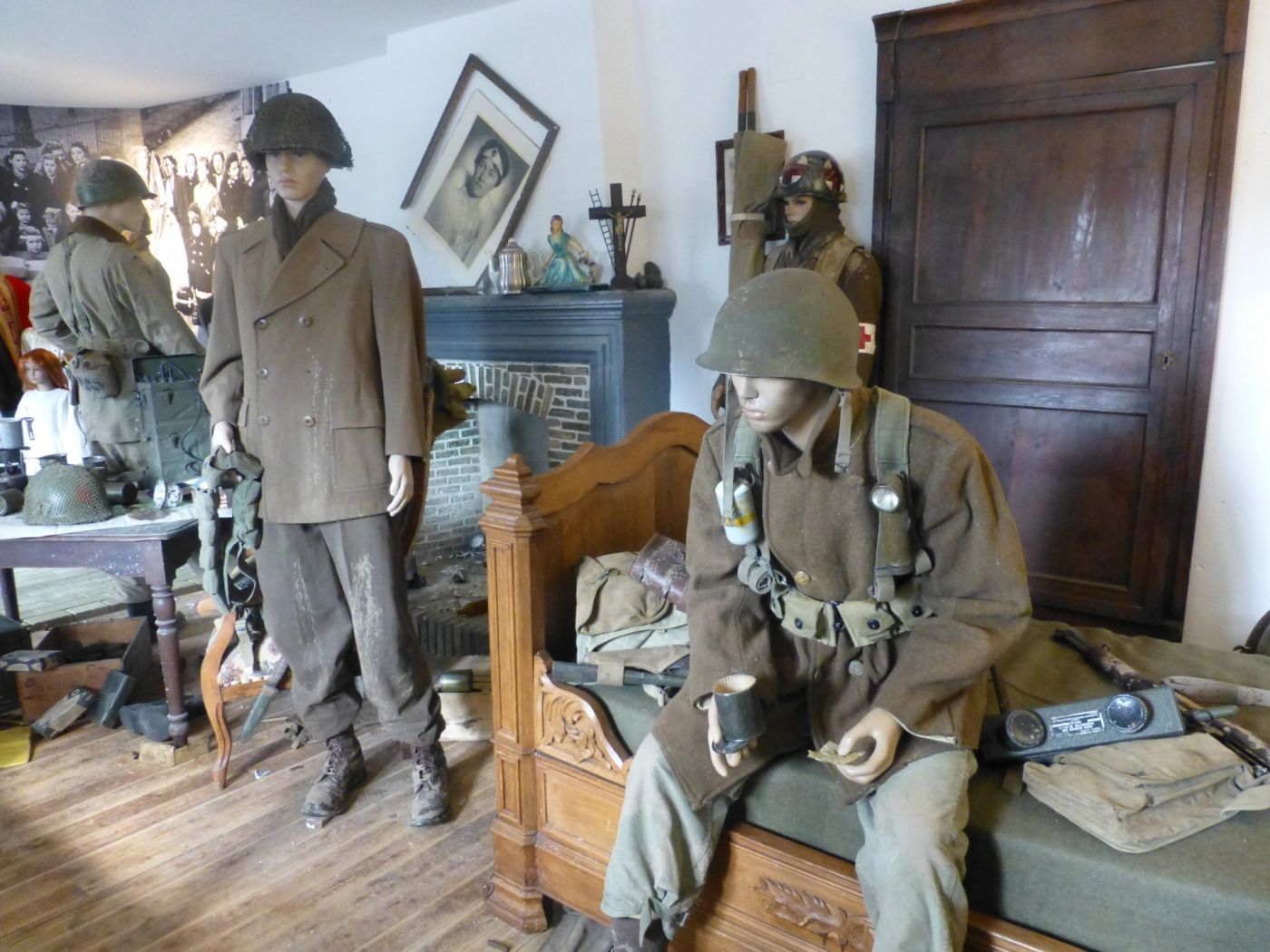
In addition to the unique wealth of documents, photos, pieces of equipment and weapons, the immeasurable suffering of the civilian population and the terrible fate of the soldiers on both sides are objectively presented. Of particular interest are the dioramas, e.g. about the cordial coexistence of the Wiltz population with the US GIs in December 1944, the desperate defence of the town by the US military band and the scene with the long-suffering civilians who, in gratitude for their survival, wrote a vow to erect the "Fatima Monument" in the ruins.

Multilingual group tours are available on request.


Practical information

  • Toilets
  • Public transport connection
  • Indoor

Culture info

  • Visit possible (& visit information)
  • History

Opening hours

Opening hours are subject to change. Please check them before your visit in order to be sure.
SundayClosed
Monday30.03.2026 : 09:00 - 12:00 , 14:00 - 17:00
Tuesday31.03.2026 : 09:00 - 12:00 , 14:00 - 17:00
Wednesday01.04.2026 : 09:00 - 12:00 , 14:00 - 17:00
Thursday02.04.2026 : 09:00 - 12:00 , 14:00 - 17:00
Friday03.04.2026 : 09:00 - 12:00 , 14:00 - 17:00
Saturday04.04.2026 : 09:00 - 12:00 , 14:00 - 17:00

Contact

Address: Syndicat d'Initiative et de Tourisme Wiltz
35, Rue du Château
L-9516 Wiltz
Show on map

More sites

©Visit Luxembourg
Thematic paths
Bunker hiking route
Distance: 13,84 km
Duration: 4:30 h
Difficulty: difficult
Find out more
©MNHM
free
with theLuxembourgPass
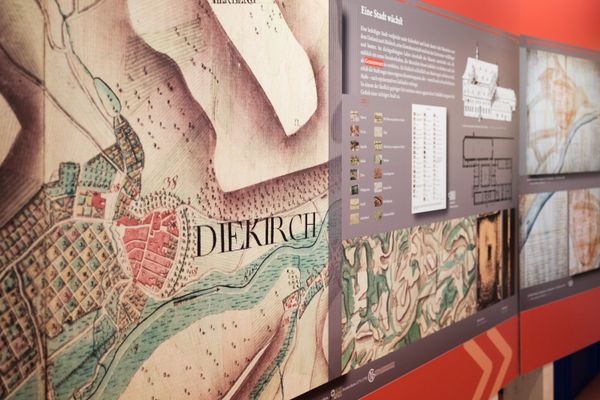
National Museum of Military History Diekirch
Discover life-size dioramas that sensitively depict the battles and lives of soldiers during the Second World War and explore the impressive collection of over 100,000 military artefacts!
Find out more
©385BGMM
W.W.II 385th Bomb Group Museum Perlé
Discover the unfortunate story of two US bombers who collided near Perlé in this military museum.
Find out more
©Musée Photographica
Photographica Museum
Immerse yourself in the fascinating world of photography in the heart of Doennange. This unique museum presents an impressive collection of over 1500 historic cameras, film cameras, projectors, magic lanterns and other accessories.
Find out more
©Visit Éislek
St. Cunegonde Chapel
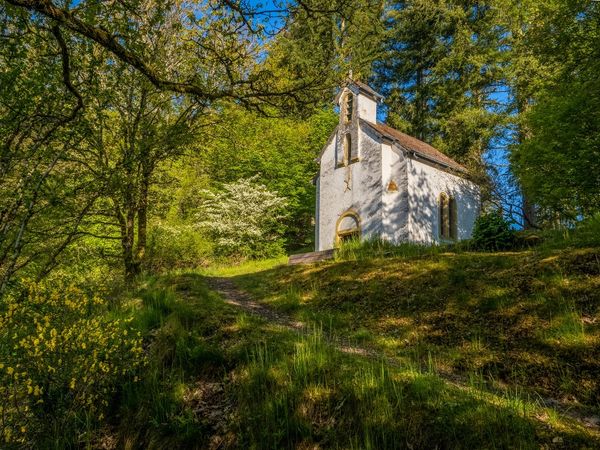
The St. Cunegonde Chapel in Heiderscheidergrund, a noteworthy example of 19th-century ecclesiastical historicist architecture in Luxembourg, features a neo-Gothic design, late Gothic sculptures, 18th-century statues, and glass paintings, embodying the country's historical and national consciousness as the oldest Kunigundis shrine.
Find out more
©Visit Éislek
Bunker Kaundorf
This bunker from World War II, where deserted forced conscripts hid until liberation, can be reached via an approx. 1 km-long footpath. The walk is well worth it, as hikers near the bunker are rewarded by an impressive view over the Upper Sûre Lake.
Find out more
©Samfaitvoyager
Bavigne dam
The Bavigne dam, part of the Upper Sûre reservoir, was built in the 1950s, requiring the relocation of mills and farmsteads. Standing at 23 meters, it guards the lake's pristine water quality. Today, as a popular diving spot, it unveils submerged remnants like bridges and a mill, echoing a rich history amid the progress.
Find out more
©Visit Éislek
free
with theLuxembourgPass
General Patton Memorial Museum
The General Patton Memorial Museum in Ettelbruck commemorates the commander of the 3rd US Army whose troops liberated the town on 25 December 1944. The exhibition illustrates the most important events that occurred during the Second World War in Luxembourg.
Find out more
©Visit Éislek
Kalborn Mill
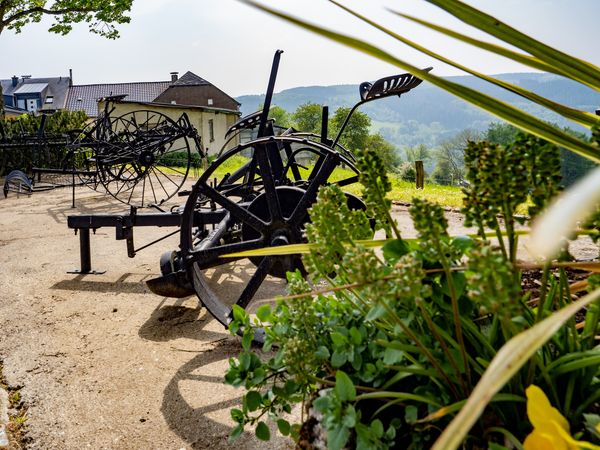
The mill in Kalborn, which is over 200 years old, has developed into a nature conservation centre. Endangered river pearl and brook mussels are bred here. Information boards in front of the mill show how gardens can provide habitats for wildlife and insects.
Find out more