
Saint-Roch church Insenborn

Where? 1, An der Gaass, L-9150 Eschdorf

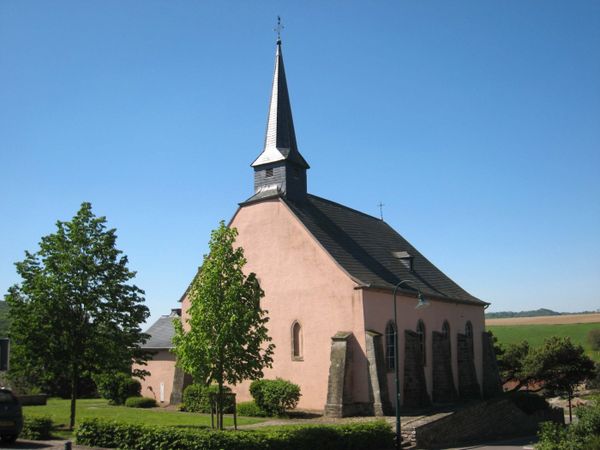
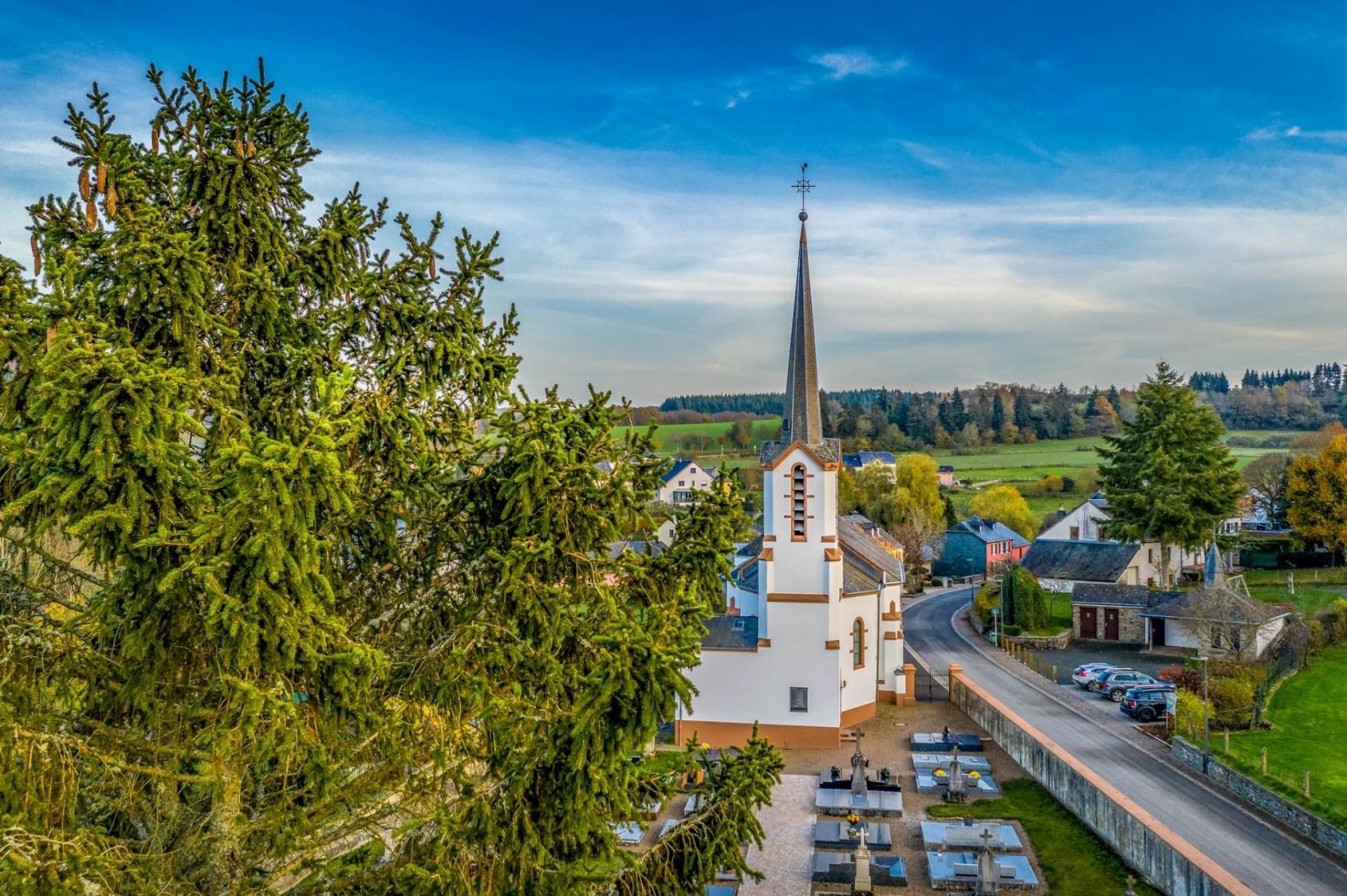
Discover the neo-Gothic splendour of the Insenborn church, built according to plans by architect Biver in 1861.

The church in Insenborn was built in the neo-Gothic style after the plan was drawn up by the architect Biver from Diekirch in 1861 and approved in January 1862. The foundation stone was laid on 12 June 1862. The building material was provided by the inhabitants, including stones from the surrounding area, house stones from Mertzig and wood from various places. The church was consecrated on 16 November of the same year. The baroque furniture was taken from the previous building, created by Jean-Georges Scholtus from Bastogne.

It is dedicated to Saint Roch. In the 20th century, the furnishings were modernised, although some statues were preserved. A second interior restoration took place in 2006, during which, among other things, the wooden benches were replaced by chairs.

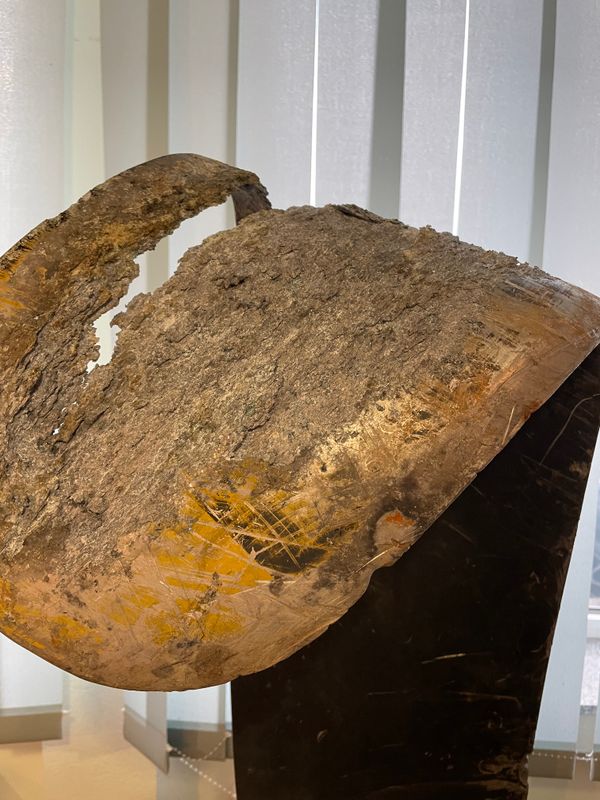
Today's redesigned space includes expressive windows, new oak furniture and distinctive Stations of the Cross.

Opening hours

Opening hours are subject to change. Please check them before your visit in order to be sure.
Tuesday30.12.2025 : 10:00 - 18:00 , 10:00 - 18:00
Wednesday31.12.2025 : 10:00 - 18:00 , 10:00 - 18:00
ThursdayClosed
FridayClosed
SaturdayClosed
SundayClosed
MondayClosed

Contact

Address: Administration Communale d'Esch-sur-Sûre
1, An der Gaass
L-9150 Eschdorf
Show on map

More sites

©Samfaitvoyager
Bavigne dam
The Bavigne dam, part of the Upper Sûre reservoir, was built in the 1950s, requiring the relocation of mills and farmsteads. Standing at 23 meters, it guards the lake's pristine water quality. Today, as a popular diving spot, it unveils submerged remnants like bridges and a mill, echoing a rich history amid the progress.
Find out more
Saint-Hubert Church
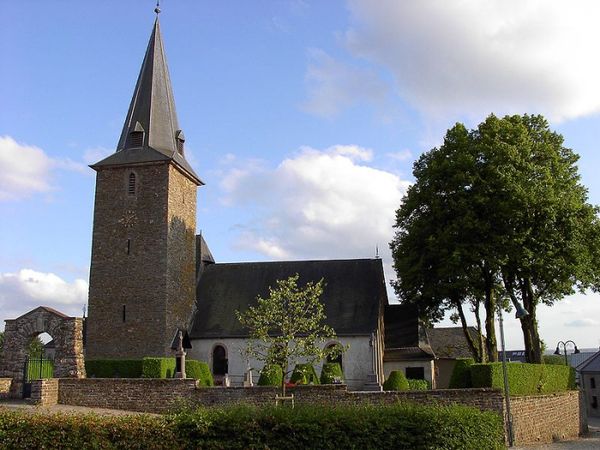
Discover the fascinating architecture of the church, built on the ruins of a pagan site!
Find out more
©Commune de Troisvierges
Troisvierges Trainstation
Troisvierges Station's story mirrors a dynamic era in European history. From a modest border stop, it transformed into a vital transportation hub, only to witness the turmoil of war and the gradual shift toward quieter days.
Find out more
©Visit Éislek
free
with theLuxembourgPass
General Patton Memorial Museum
The General Patton Memorial Museum in Ettelbruck commemorates the commander of the 3rd US Army whose troops liberated the town on 25 December 1944. The exhibition illustrates the most important events that occurred during the Second World War in Luxembourg.
Find out more
©Musée de l'Ardoise
free
with theLuxembourgPass
Slate Museum - Musée de l'Ardoise
Discover the fascinating world underground at the Haut-Martelange Slate Museum! Experience the history and techniques of slate extraction and immerse yourself in the new, fascinating "Johanna" visitor gallery. Experience the everyday life of slate workers at first hand!
Find out more
©Visit Éislek
Deiwelselter
This remarkable monument, once a burial site, is a landmark of the town of Diekirch. Those who hike there are rewarded by a great view of the village and its green surroundings.
Find out more
Përmeshaff – Estate ruins
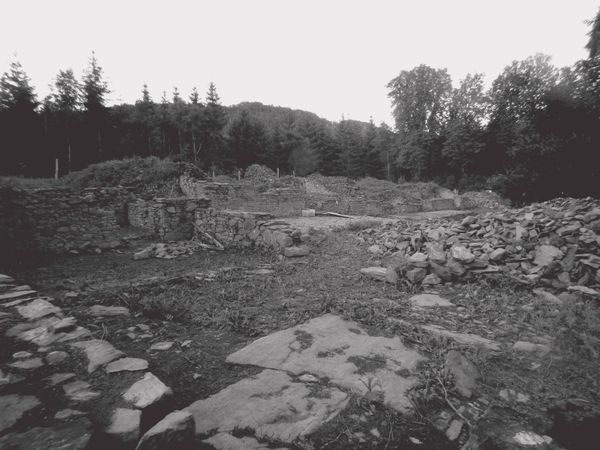
Përmeshaff, a historic site near Kaundorf, traces its roots to 1195. Over the centuries, it evolved into a religious centre, attracting pilgrims to its chapel and healing springs. Despite enduring a devastating fire in 1936, recent archaeological efforts have unveiled layers of its rich history, highlighting significance of Përmeshaff as a cultural landmark.
Find out more
©Visit Éislek
Centre Cinqfontaines
The small village of Cinqfontaines (Five Wells), not far from Troisvierges, is home to a former monastery built at the beginning of the 20th century. In 1941 it was confiscated by the Nazis who used it as a place of internment for Jews from Luxembourg.
Find out more
©Visit Éislek
Bourscheid Hougeriicht – High justice
In the 15th or 16th century, a witch trial in Bourscheid unfolded with accusations of devilish pacts and plots against God's creation. This dark chapter mirrors a broader era of witch hunts in Luxembourg, fueled by societal turmoil, economic struggles, and the fear of a mysterious witchcraft sect.
Find out more