
©Visit Éislek

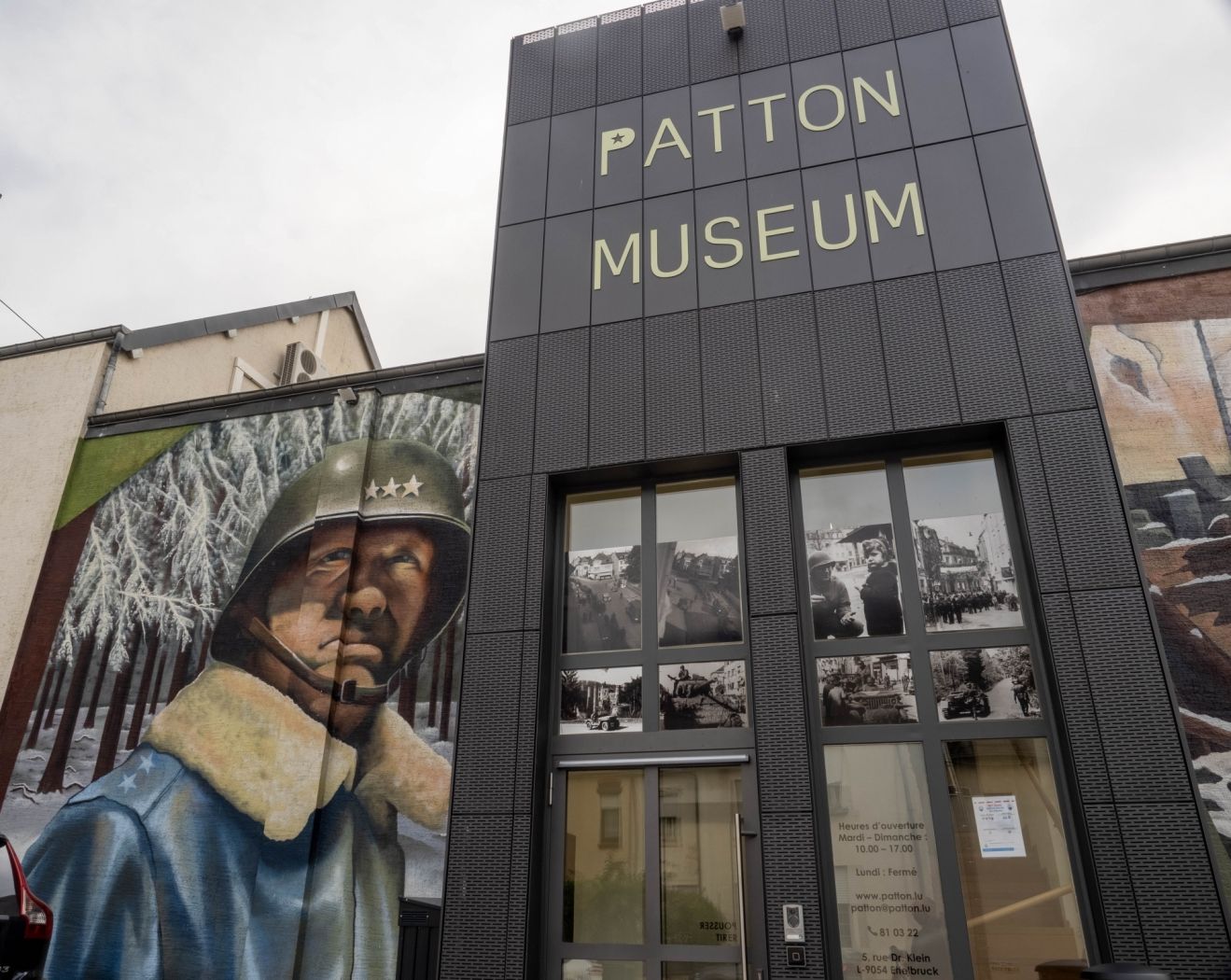
General Patton Memorial Museum

Where? 5, Rue Dr. Klein, L-9054 Ettelbruck

free
with theLuxembourgPass

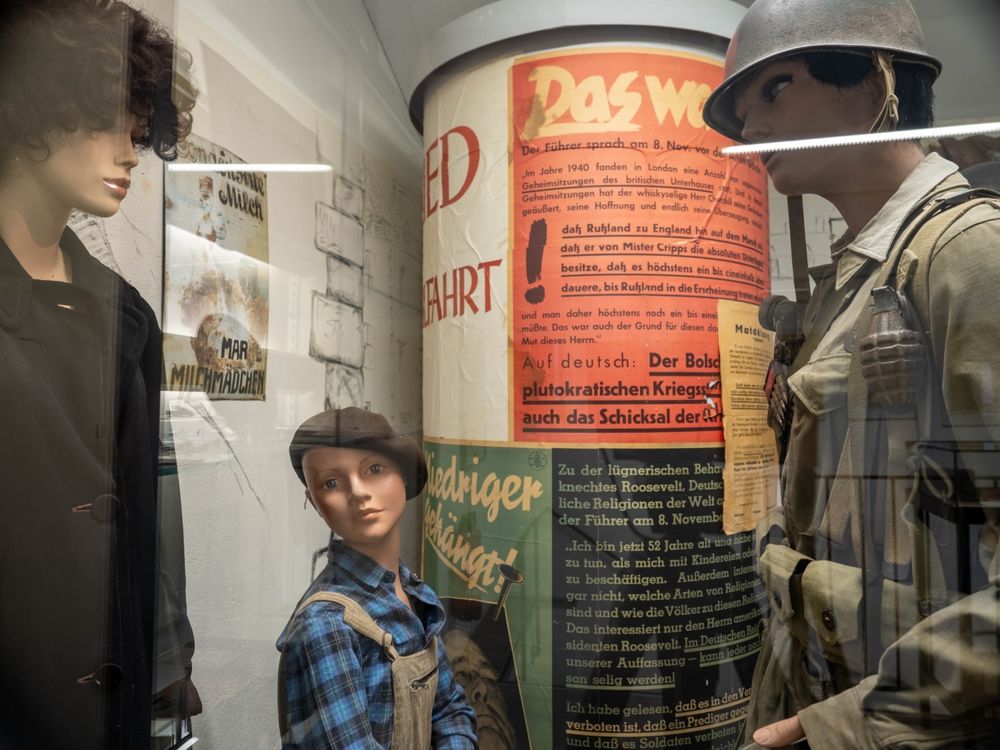
The General Patton Memorial Museum in Ettelbruck commemorates the commander of the 3rd US Army whose troops liberated the town on 25 December 1944. The exhibition illustrates the most important events that occurred during the Second World War in Luxembourg.

In addition to the impressive statue of General Patton, the museum houses a rich documentation of the general's life. 

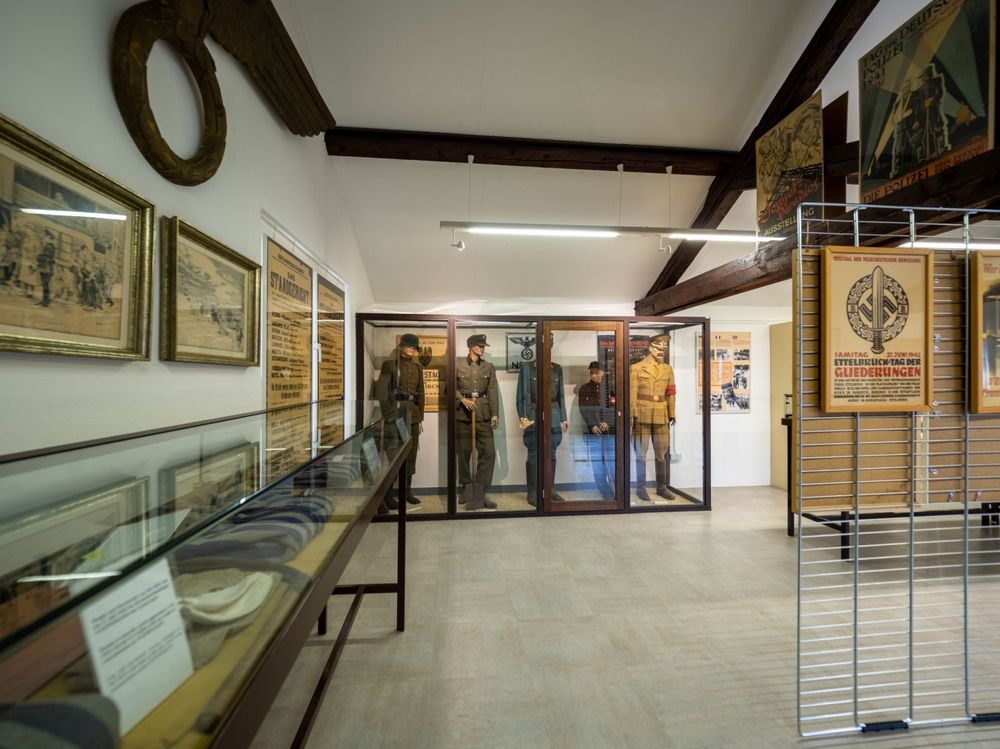
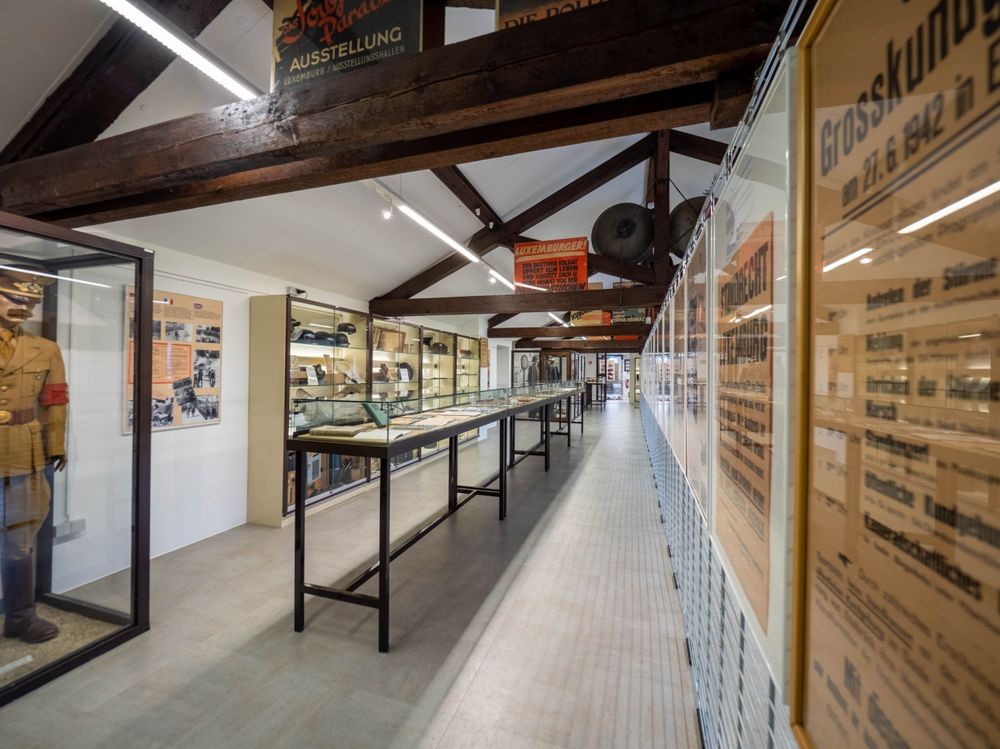
With a unique collection of thousands of photographs, documents and historical objects, the museum illustrates various events of the Second World War that shaped Luxembourg's history.

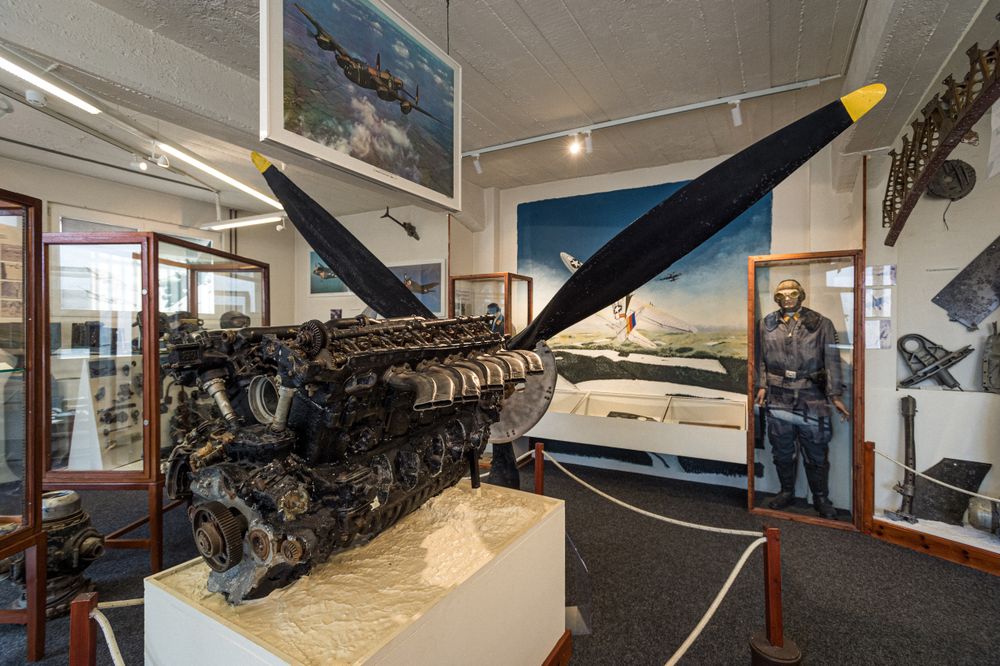
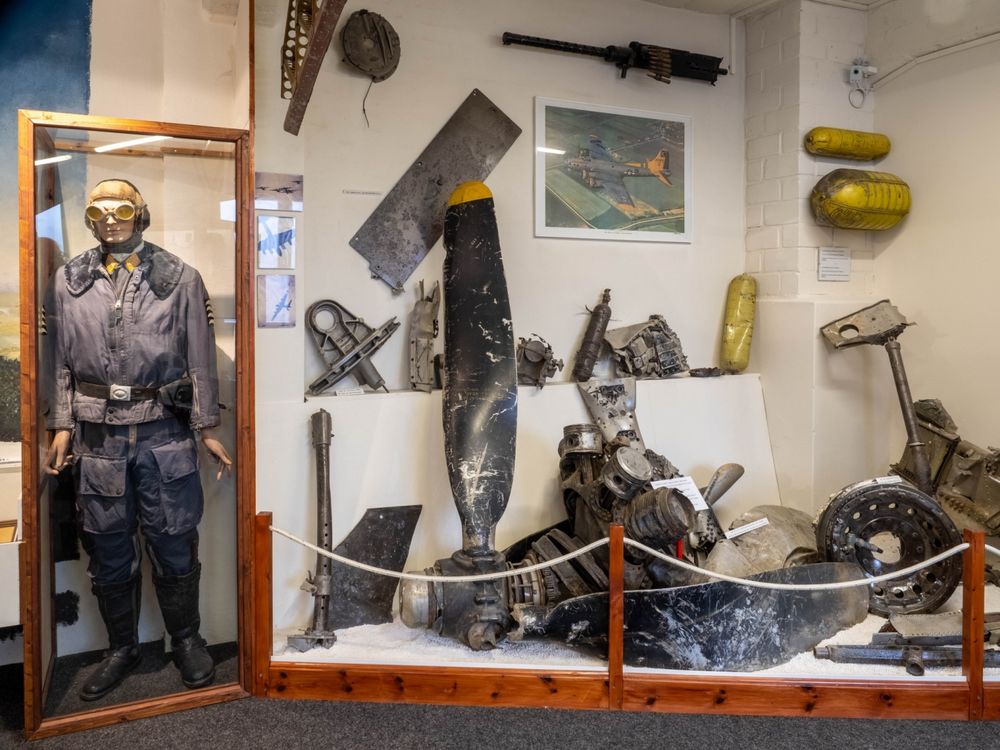
A special room is dedicated to the little-known topics of military archaeology and the air war over Luxembourg.

The museum presents a very rich collection of items recovered from the battlefields of Luxembourg. A particular attraction are the aircraft engines, some of which are still in good condition, as well as the on-board weapons and flight instruments distorted by the impact.


Practical information

  • Accessible to all

Culture info

  • Military

LuxembourgPass

  • Free entrance to the museum with the LuxembourgPass

Opening hours

Opening hours are subject to change. Please check them before your visit in order to be sure.
Wednesday14.01.2026 : 10:00 - 17:00
Thursday15.01.2026 : 10:00 - 17:00
Friday16.01.2026 : 10:00 - 17:00
Saturday17.01.2026 : 10:00 - 17:00
Sunday18.01.2026 : 10:00 - 17:00
MondayClosed
Tuesday20.01.2026 : 10:00 - 17:00

General Patton Memorial Museum

free
with theLuxembourgPass

Prices

Groups

Daily rate 3.00€

Teens

Age from: 10
Age to: 18
Standard price 3.00€

Adults

Age from: 18
Standard price 5.00€

Your advantages


  • exclusive discounts of up to -30%
  • free or discounted admission to more than 80 attractions
Contact

Address: General Patton Memorial Museum Ettelbruck
5, Rue Dr. Klein
L-9054 Ettelbruck
Show on map

More sites

©Gaul’s Legacy Tours
US Memorial Diekirch
The US Memorial located in the municipal parc of Diekirch river remembers a number of US units that were present in and around the city, September 1944 – February 1945.
Find out more
©Visit Clervaux
free
with theLuxembourgPass
Museum Bataille et Châteaux - Battle of the Bulge and castle models
Treat yourself to a journey into the past and into other dimensions! This unique exhibition is suitable for young and old alike. Here you can discover history in a new way.
Find out more
©Visit Éislek
National Strike Monument Wiltz
Visit the impressive monument commemorating the general strike during the Second World War. Learn more about the tragic events of that time that shaped Luxembourg's history.
Find out more
©Visit Éislek
St. Pierre Chapel
The chapel in Lellingen is an octagonal masterpiece that combines history and architecture in unique harmony.
Find out more
©Visit Éislek
Bunker Kaundorf
This bunker from World War II, where deserted forced conscripts hid until liberation, can be reached via an approx. 1 km-long footpath. The walk is well worth it, as hikers near the bunker are rewarded by an impressive view over the Upper Sûre Lake.
Find out more
©Ville d'Ettelbruck
Patton Monument Ettelbruck
Discover the Patton Memorial in Ettelbruck, an important place of remembrance. This monument honours General George Patton Jr, whose 3rd US Army liberated Ettelbruck in December 1944, stopping the invasion of the Wehrmacht during the Battle of the Bulge.
Find out more
©Alfonso Salgueiro
Lancaster Memorial Weiswampach
The Lancaster Memorial commemorates fourteen young men whose Lancaster bombers crashed near Weiswampach during the Second World War.
Find out more
©Visit Éislek
Centre Cinqfontaines
The small village of Cinqfontaines (Five Wells), not far from Troisvierges, is home to a former monastery built at the beginning of the 20th century. In 1941 it was confiscated by the Nazis who used it as a place of internment for Jews from Luxembourg.
Find out more
Saint-Roch church Insenborn
Discover the neo-Gothic splendour of the Insenborn church, built according to plans by architect Biver in 1861.
Find out more