
©Pulsa pictures

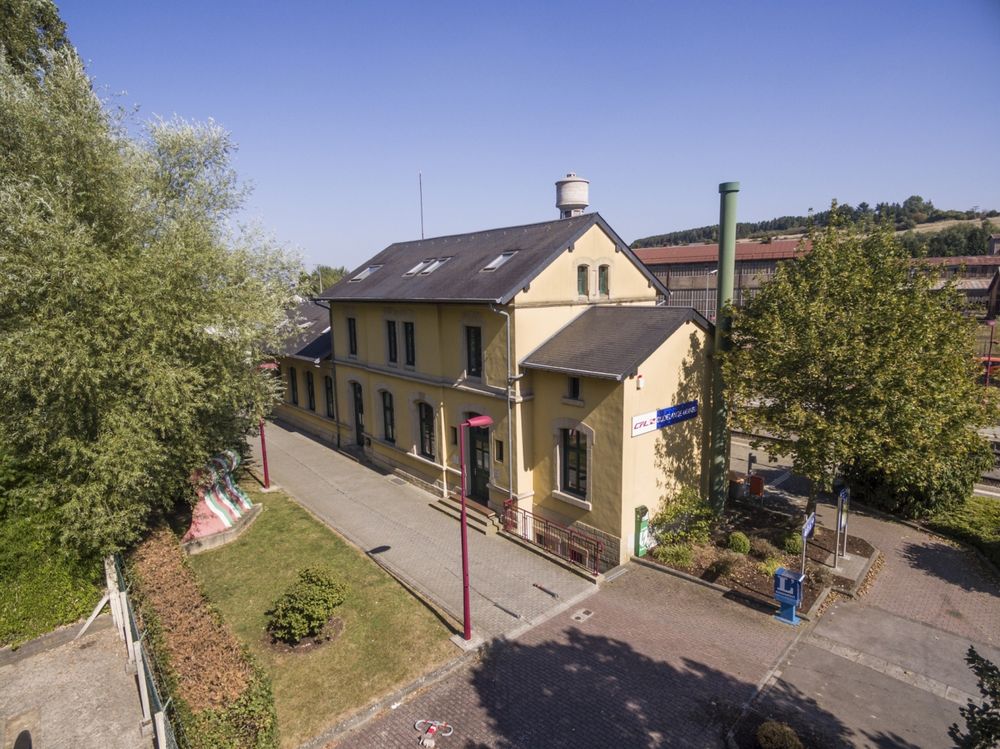
Documentation Centre for Human Migrations

Where? Rue Gare-Usines, L-3481 Dudelange

Migration history and the background of cultural diversity in Luxembourg - you will learn a lot here

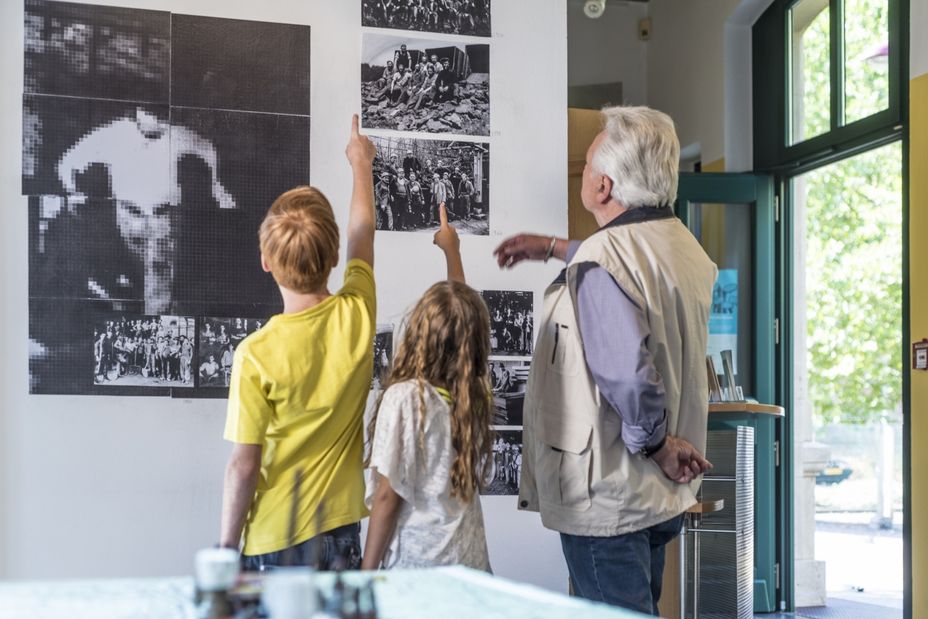
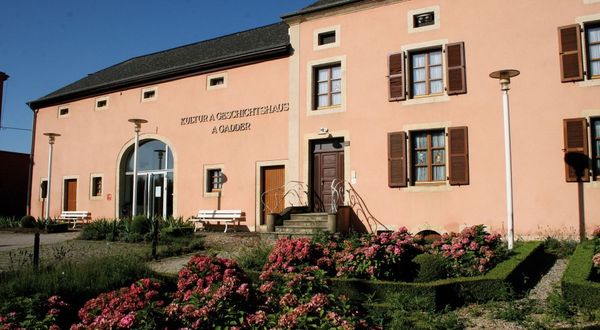
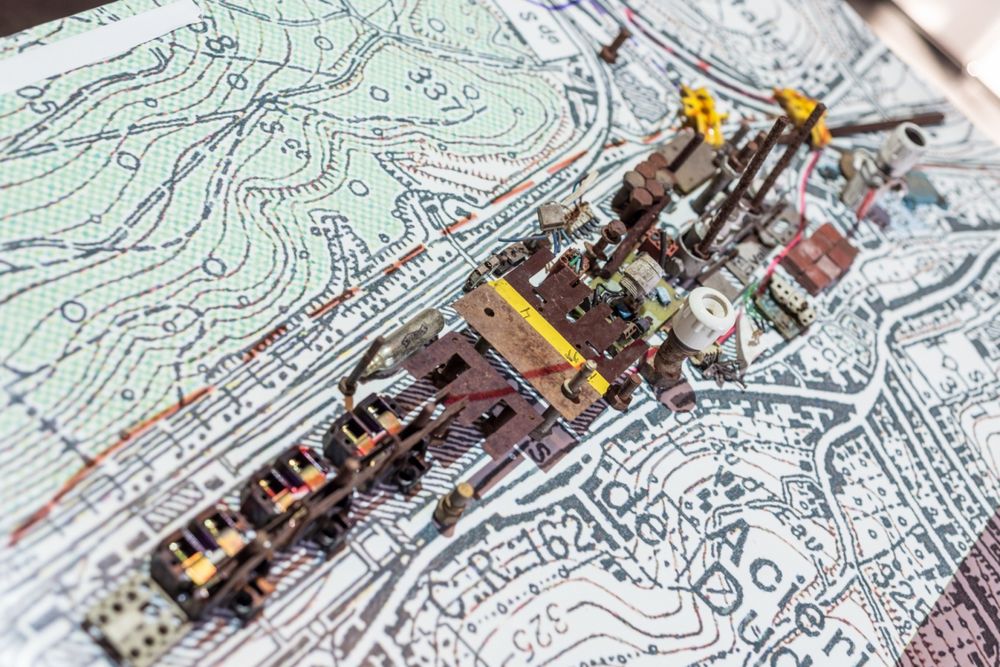
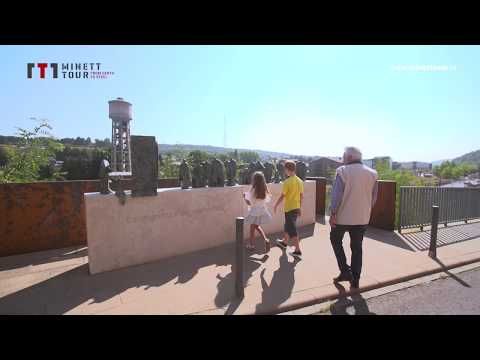
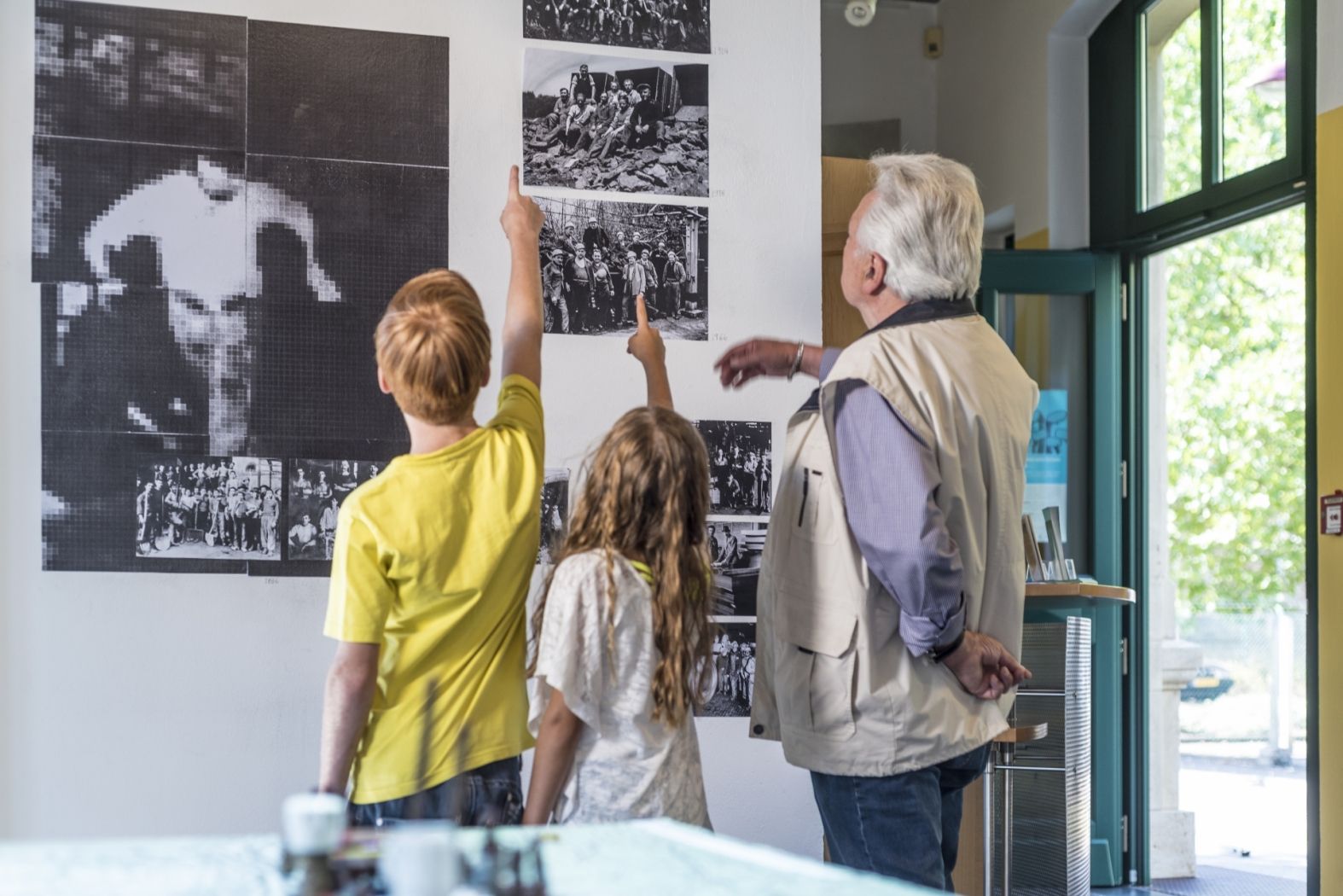
The Documentation Center for Human Migrations (CDMH) does researches and organises exhibitions on history of migrations, mainly in the context of Luxembourg and its neighbouring regions.

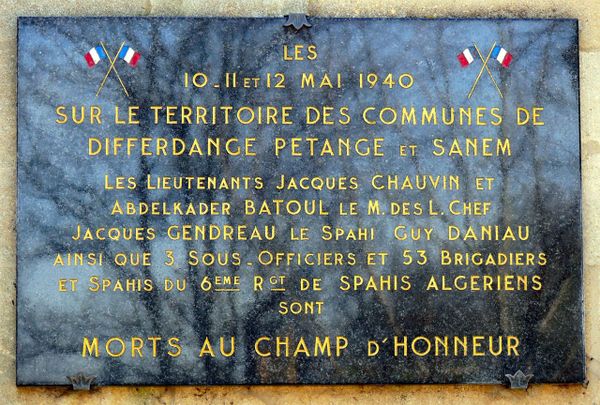
The museum gives an impression of the evacuation of the men of Dudelange, the German occupation, the forced enlistment, the militia and the liberation.

Venture into the heart of human migration

Immigrants now make up a significant part of the Grand Duchy’s population, and without them, Luxembourg wouldn’t be the country it is today. By understanding this phenomenon, the context and the times in which migration occurs, the people who immigrate and also those who emigrate, and when, how and why they choose to do so, we can gain a deeper understanding of who we are. Luxembourg is now intrinsically linked to migration, which is what makes its culture so rich and diverse.

Through temporary exhibitions highlighting the human and social aspects of migration, the Centre de Documentation sur les Migrations Humaines (CDMH) offers visitors the opportunity to discover a history that is very much our own. And not only that! The exhibitions include stories from neighbouring countries as well. The CDMH also offers guided tours of the Italian Quarter in Dudelange. Definitely worth checking out!


Culture info

  • Visit possible (& visit information)
  • History

Opening hours

Opening hours may change depending on exhibition. www.cdmh.lu

Contact

Address: Documentation Centre for Human Migrations
Rue Gare-Usines
L-3481 Dudelange
Show on map

More offers

©Pulsa pictures
Documentation Centre for Human Migrations

Documentation Centre for Human Migrations

More sites

©Pulsa Pictures
Minett Park Fond-de-Gras
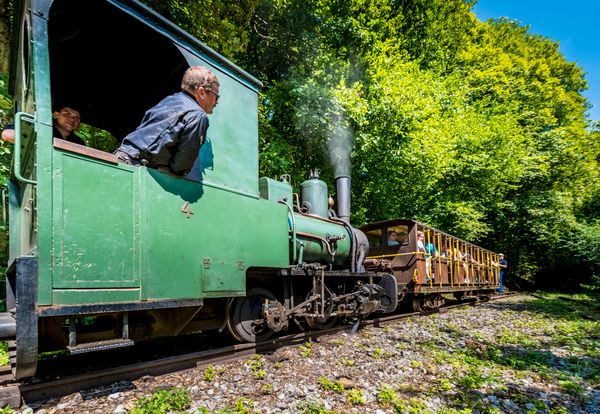
The Minett Park Fond-de-Gras is an open-air museum that includes the Fond-de-Gras, the village of Lasauvage, the former open-cast mine of Giele Botter and the Celtic oppidum of Titelberg.
Find out more
©Ville d'Esch
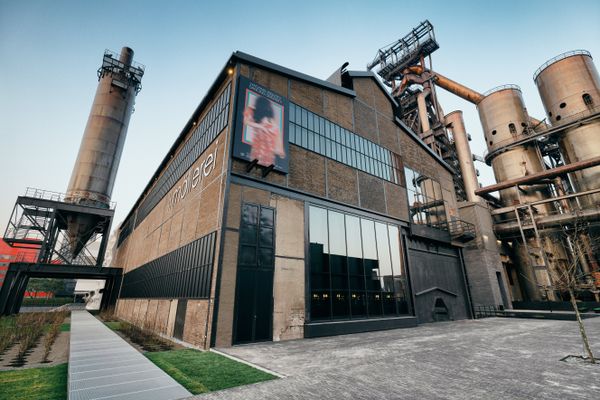
Le Fonds Belval - "Massenoire" building
An exhibition space like no other.
Find out more
©Ville d'Esch
free
with theLuxembourgPass
Blast Furnace Belval
At the heart of this newly transformed quarter of the city, which comprises the modern campus of the University of Luxembourg, you can see the imposing remnants of the iron ore industry that drove the economy of Luxembourg more than 100 years ago.
Find out more
©Espace Muséologique Lasauvage
Espace Muséologique de Lasauvage
This life-size reconstruction takes you back to the days of the Second World War when a group of young Luxembourgers hid in a mine to escape the obligation to serve in the German army and wear the Nazi uniform.
Find out more
©Musée Ferrum
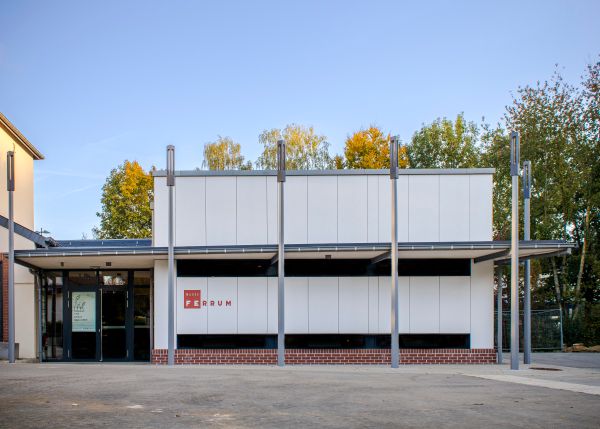
Musée FERRUM + MUAR - Musée vun der Aarbecht
Putting Work and local history center stage
Find out more
©Jean Reitz
Regional Museum of forced conscription
This regional museum focuses on the complex history of forced recruitment during the Nazi occupation of Luxembourg and provides a poignant insight into the suffering of the Dudelange population during the war.
Find out more
Neogothic Church Saint Martin
Find out more
©Pulsa Pictures_ORT Sud
National Miners Monument
Remembering the miners of Luxembourg.
Find out more
©Ville d'Esch
FerroForum
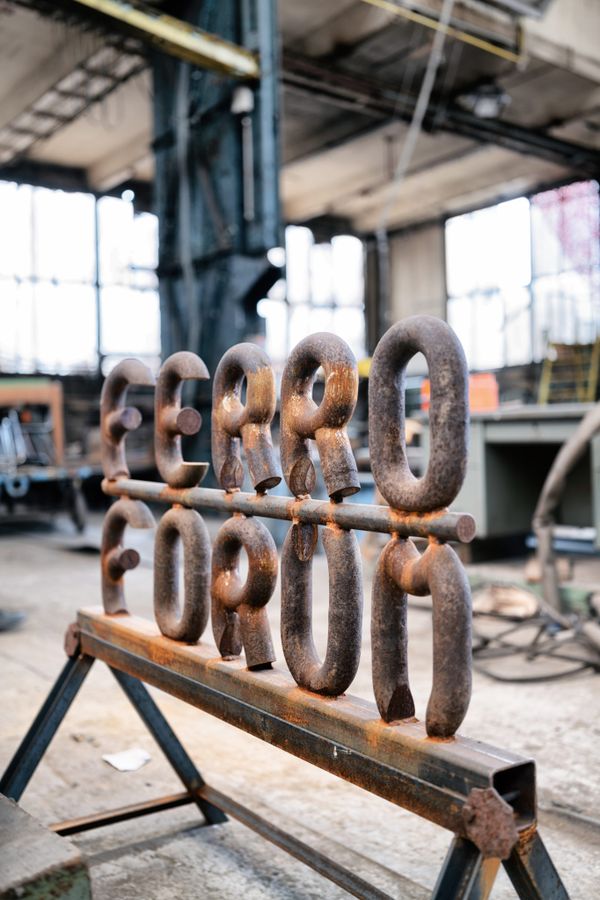
The FerroForum was created with the aim of preserving and promoting the cultural and industrial heritage of Esch, as well as showcasing the know-how about the processing of iron and steel into products we use every day. The space, originally restored as part of the Esch 2022 European Capital of Culture programme, is a destination for all those who are curious about how metal objects (things that last) get made. Established as a non-profit association, the FerroForum space is located in the central workshop of the former Arbed Esch-Schifflange ironworks.
Find out more