D'un Monde à l'autre
75 ans de regard et de déclics
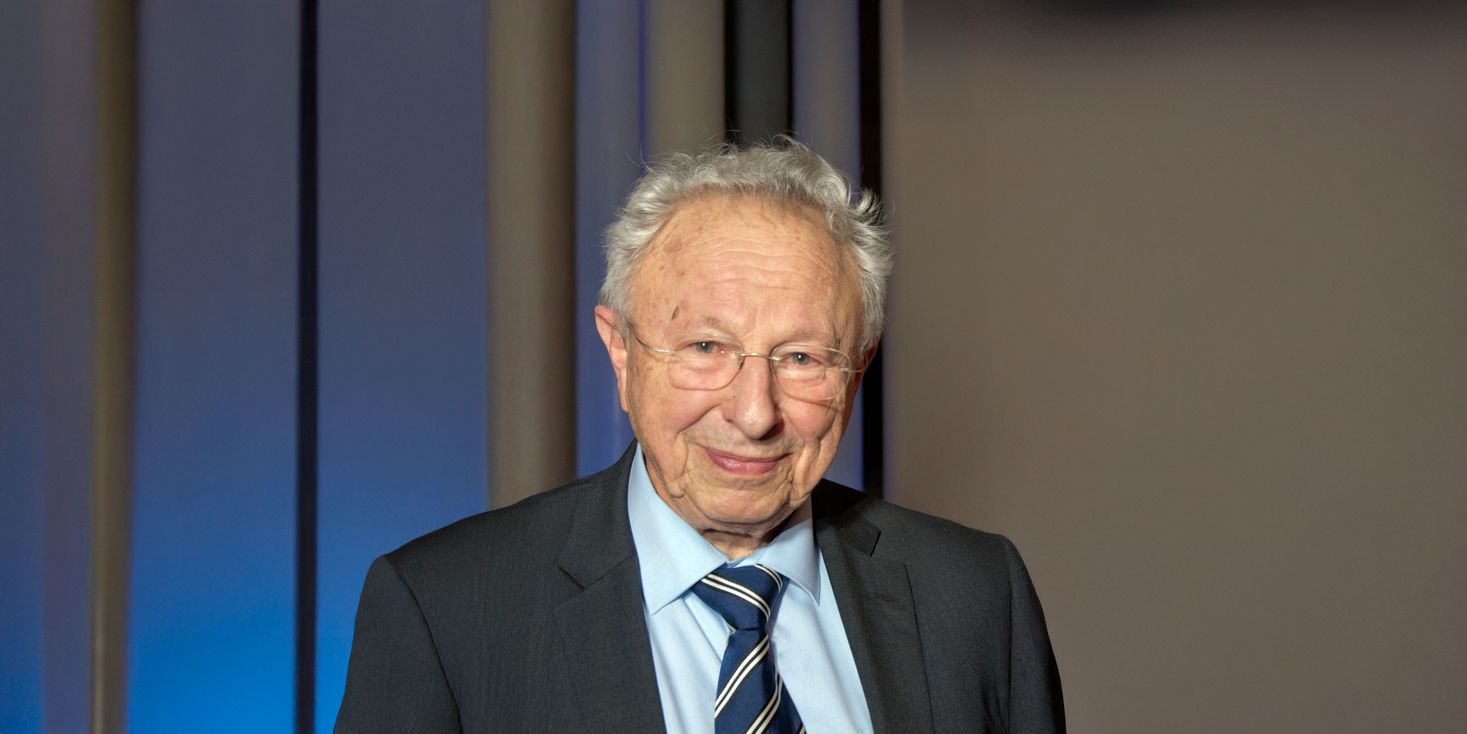
Claude Marx: A Perspective Shaped by History
A Childhood Tested by War
Born in 1934 in Nancy into a family of butchers, Claude Marx saw his destiny upended on May 10, 1940. Faced with the German invasion and under heavy bombardment, his family joined the tragic поток of the Exodus. Amid the heterogeneous convoys, they managed to reach the small town of Buzançais in the Indre region. There, Claude enjoyed a peaceful schooling until 1943, when the increasing number of roundups forced the family into hiding. As a hunted Jewish child, he owed his survival to courageous neighbors—“good people” in the noblest sense—who risked their lives to conceal him in an attic.
The Birth of a Passion
.
A decisive turning point came in June 1944. His uncle, who had escaped a roundup in Dordogne, joined him in Buzançais carrying only two treasures: forged papers and a Rolleiflex camera. It was this passionate uncle who introduced Claude, then 10 years old, to the basics of photography. This initiation marked the beginning of a lifelong vocation.
.
From the Mountains to Algeria
After the Liberation, Claude became part of a generation drawn to wide open spaces, taking up camping and alpine hiking. For the sake of lighter travel, the heavy Rolleiflex gave way to a second-hand Retina camera. This was the era of discovering 35mm film and, above all, Kodachrome—whose exceptional color fidelity still allows us, even in 2026, to appreciate the vivid brilliance of his photographs from the 1950s. In 1955, his military service sent him to Algeria. This conflict, experienced under strict military conditions, paradoxically allowed him to explore another dimension of photographic testimony.
Maturity and Artistic Commitment
Settled in Luxembourg since 1967, Claude Marx refined his technique within the “Camera Luxembourg” club, engaging with experienced photographers. Accompanied by his wife Claudine—his partner and muse—he traveled to many countries, organizing his own high-mountain treks (Peru, Ladakh, Zanskar). As a privileged witness, he observed and documented through his lens societal changes and the sometimes harsh impact of mass tourism on the customs of previously preserved communities.
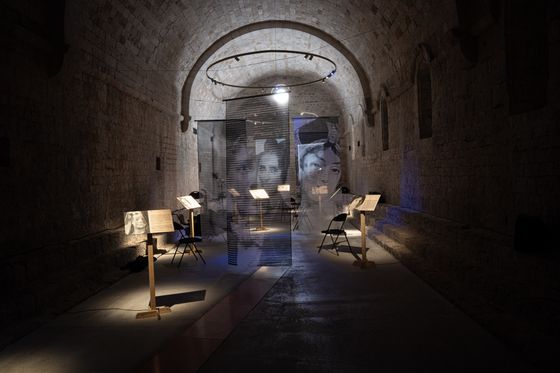
Today, with deep gratitude, he presents a selection of his most significant works at the Neimënster Cultural Meeting Centre—a prestigious setting for a lifetime’s work.
Main organizer(s): neimënster
Opening reception on September 17 at 6:30 p.m. (registration required): billeterie@neimënster.lu